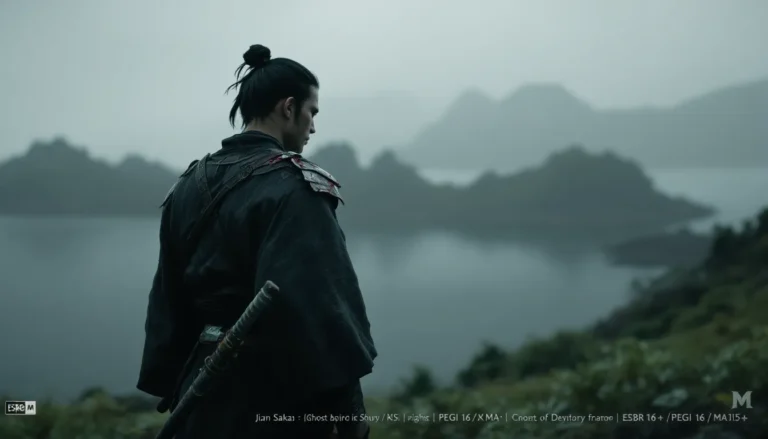
Jin Sakai’s journey across Tsushima wouldn’t be the same without the right blade. While most players focus on armor setups and charm combinations, the often-overlooked sword kits in Ghost of Tsushima are what truly define your combat identity. These cosmetic and mechanical loadouts transform not just how your katana looks, but how you approach duels, standoffs, and full-scale battles. Whether you’re hunting the Sword of the Khan or perfecting your Mugen setup, understanding sword kits is essential for optimizing your playstyle. This guide breaks down every sword kit available, shows you exactly how to unlock them, and reveals the best combinations for your preferred approach to combat.
Table of Contents
ToggleKey Takeaways
- Ghost of Tsushima sword kits don’t provide stat advantages but significantly affect combat feel through animation speed, recovery frames, and psychological engagement.
- The Mugen Sword excels for aggressive combo-focused playstyles with snappy animations, while Traveler’s Attire and Ronin Armor suit stealth-focused builds requiring calculated, refined strikes.
- Pairing your sword kit with complementary armor, charms, and techniques creates cohesive loadouts that enhance both thematic immersion and functional performance during encounters.
- Story progression gates the Sword of the Khan and Mugen Sword unlocks, so prioritize main quests over side content if your goal is accessing all Ghost of Tsushima sword kits quickly.
- The Iki Island expansion introduces the Ronin Armor sword kit and exclusive cosmetics that allow for expanded customization options and more thematic loadout combinations.
- Revisit your sword kit choice throughout your playthrough—what felt optimal in Act 1 may not match your evolved techniques and playstyle by Act 3.
What Are Sword Kits In Ghost Of Tsushima?
Sword kits are cosmetic and functional loadouts that change the appearance and sometimes the handling characteristics of Jin’s katana throughout Ghost of Tsushima. They’re more than just skins, each kit comes with unique animation sets, different stances, and occasionally altered combat feel that can influence how you approach encounters.
Think of sword kits as the melee equivalent of weapon skins in other games, except they carry genuine gameplay weight. Some kits feel lighter and snappier: others feel heavier with more deliberate animations. The psychological impact matters too, when you’re wielding the Mugen Sword, every strike feels different because the visual feedback and animation timing have shifted slightly.
How Sword Kits Affect Gameplay
Sword kits primarily impact three areas: visual feedback, animation speed, and psychological engagement. When you equip a new kit, the first thing you notice is the animation differences, swing speed appears to change, though actual damage values remain consistent across all kits. This is crucial to understand: sword kits don’t provide stat advantages. The Sword of the Khan doesn’t hit harder than the Traveler’s Attire blade. What changes is how the sword feels in your hands.
Animation differences create noticeable timing shifts. The Mugen Sword, for instance, has slightly longer recovery frames on certain combos compared to the vanilla katana, which means you need to adjust your rhythm when chaining attacks. Conversely, some kits reward faster tapping with snappier response times. These differences are subtle enough that players won’t struggle with any kit, but skilled players will absolutely notice the variance and optimize accordingly.
The psychological element shouldn’t be dismissed either. Using the Sword of the Khan, a legendary Mongol blade, creates a different mental frame than the traditional samurai katana. Players report feeling more aggressive with certain kits and more methodical with others, which indirectly influences decision-making during combat.
All Sword Kits Explained
Ghost of Tsushima features four primary sword kits available in the base game, with additional options unlocked through the Iki Island expansion. Each one is tied to specific story moments or collectibles, and understanding their characteristics helps you pick the right one for your current playthrough.
The Sword of the Khan
The Sword of the Khan is obtained by defeating Khan’s forces throughout the game and represents the Mongol invader’s weapon. This kit stands out because it’s the most visually distinctive, a curved, wickedly ornate blade that screams authority. The animation set is heavier than the default katana, with broader sweeping motions that feel more aggressive and less refined. Culturally, it’s Jin’s ultimate “becoming the Ghost” moment.
Mechanically, the Sword of the Khan has longer wind-up animations but the same damage output as other kits. Players who use it report feeling like they’re swinging a weapon designed for brute force rather than precision, even though the game mechanics don’t actually favor raw power. It’s purely visual, but that visual language matters when you’re deep in a difficult boss fight.
For story immersion and pure intimidation factor, the Sword of the Khan is the pick. You’ll see enemies react visibly to this blade in cutscenes, and there’s something undeniably cool about wielding the weapon that terrified Tsushima.
The Mugen Sword
The Mugen Sword is where legend meets gameplay. This is arguably the most requested sword kit in Ghost of Tsushima community discussions, and for good reason, it’s tied to one of the game’s most memorable boss encounters. The blade itself looks deceptively simple: elegant, pristine, and archetypal samurai. But its animation set is the tightest in the game.
Mugen animations have the fastest recovery frames and the snappiest response times. Dueling with this sword kit feels fundamentally different because your combo chains execute with less delay between strikes. In standoffs, it shines, the quick animations give you a hair-trigger feel that rewards rapid stance switching. For combo-dependent playstyles, Mugen is the competitive pick.
The challenge is unlocking it requires you to progress deep into Act 2 and engage with one of the game’s most demanding boss battles. It’s absolutely worth the effort if you’re planning a high-difficulty playthrough or speedrun.
The Traveler’s Attire Sword Kit
The Traveler’s Attire Sword Kit pairs with the Traveler’s Armor set and represents Jin’s willingness to abandon pure samurai tradition. The blade is understated, worn, and looks like something a wandering swordsman would carry. Visually, it’s one of the most humble options available.
Animation-wise, Traveler’s Attire strikes a middle ground, not as snappy as Mugen, not as deliberate as Khan’s. The real appeal here is thematic: this kit is for players who want to build a complete wanderer aesthetic. When you pair it with its matching armor set, you’re creating a cohesive character that feels different from the honorable samurai or the ruthless Ghost.
For pure gameplay, it’s neutral, which makes it accessible for newer players who don’t want to optimize around animation timing. The blade handles responsively enough for any combat situation without specializing in any particular approach.
The Ronin Armor Sword Kit
The Ronin Armor Sword Kit is available through the Iki Island expansion and represents another thematic shift, the masterless wanderer. This blade has a refined appearance with slight variations that distinguish it from the default katana without being as ostentatious as Khan’s sword.
Animation-wise, Ronin’s kit sits closer to the vanilla katana with subtle refinements that make it feel slightly more refined. The expansion made this kit specifically tuned for players who like the core Ghost of Tsushima feel but want subtle visual differentiation. It’s the kit for players who want to look unique without sacrificing the responsive, balanced combat feel they’re already familiar with.
Unlocking this kit requires progressing through Iki Island content and meeting specific story requirements, making it exclusive to expansion owners.
How To Unlock Sword Kits
Each sword kit has its own unlock requirements, ranging from straightforward story progression to grinding-intensive collectible hunts. Here’s the exact path to every blade.
Story Progression & Unlocks
The Mugen Sword and Sword of the Khan are tied directly to story progression. You can’t force these unlocks, you’ll get them by playing through the main narrative at the appropriate story beats. The Mugen Sword unlock happens midway through Act 2 after a major boss encounter. The Sword of the Khan is unlocked much later when you fully embrace your Ghost identity.
The Traveler’s Attire sword kit unlocks once you collect the matching Traveler’s Armor set, which requires completion of specific story quests and exploration objectives. You can’t get this kit without the armor, and you can’t get the armor without pushing through Act 1 and into Act 2.
For the Ronin Armor kit, Iki Island expansion owners gain access after reaching the expansion’s critical story moments. This is gated behind expansion ownership, so standard game owners won’t see this option.
Collecting Bamboo Strikes
Bamboo strikes are quick-time challenges scattered across Tsushima that reward players for speed and precision. Each completed strike awards progress toward certain cosmetic unlocks, though sword kit unlocks aren’t directly tied to bamboo strikes. But, completing bamboo strikes does reward other cosmetics that complement your sword kit choices.
Find bamboo stands near hot springs and designated locations. When you approach them, Jin immediately grabs his sword and you’re tasked with slashing through a series of targets as quickly as possible. Faster times earn better rewards. While these don’t unlock sword kits directly, completing enough of them unlocks cosmetic variations and armor dyes that help you create cohesive loadouts.
For players completionist-minded, bamboo strikes are worth doing anyway. They’re quick (~30 seconds each), they improve your muscle memory for stance transitions, and they reward exploration.
Completing Standoffs & Duels
Standoffs are Jin’s signature move, initiating a one-on-one fight without drawing your sword first. Duels are formal boss encounters with specific opponents. Completing standoffs doesn’t directly unlock sword kits, but defeating duel opponents does reward cosmetics and progression toward certain loadouts.
The standoff mechanic itself is where sword kit animations shine brightest. Different kits have noticeably different standoff animations, and using a kit that matches your standoff timing preference makes these encounters feel significantly better. Players who love standoff combat should test different kits to see which animation timing aligns with their reaction speed.
Duels, particularly against named opponents in main story beats, are essential. Defeating these opponents occasionally unlocks cosmetics or armor dyes that pair well with specific sword kits. Some duel opponents drop armor pieces that complement certain blade choices thematically.
Finding Hidden Shrine Locations
Shrines are scattered across all three acts of Ghost of Tsushima and serve as meditation points and cosmetic reward dispensers. Visiting every shrine isn’t strictly necessary for sword kit unlocks, but many shrines reward cosmetic variants that enhance your overall loadout appearance.
The shrine locations reward different cosmetics based on shrine type. Some give you new armor dyes: others provide minor armor pieces. When you’re using a specific sword kit, checking nearby shrines for complementary cosmetics ensures your full character presentation looks intentional rather than mismatched.
Into Iki Island specifically, shrine locations have expanded, with new shrines offering Iki-exclusive cosmetics that pair beautifully with the Ronin Armor sword kit. If you’re running that setup, hunting shrines becomes more engaging because the rewards directly complement your aesthetic.
Best Sword Kit Combinations For Different Playstyles
Selecting a sword kit isn’t just about what looks coolest, it’s about matching animation characteristics to your preferred combat approach. Here’s how to optimize for three major playstyles.
For Aggressive Combat Players
Aggressive players spam combo chains, rely on stance transitions, and hunt for quick kills. You need a sword kit that rewards button mashing without punishing you for continuous input. The Mugen Sword is the clear choice here.
Mugen’s snappy animation set shines when you’re chaining strikes together. The faster recovery frames mean less downtime between hits, and continuous combo pressure feels significantly more rewarding. In standoffs where you’re quickly switching stances, Mugen responds instantly to your input. The psychological effect is real too, the blade feels faster, which encourages more aggressive play naturally.
Pair Mugen with aggressive charm setups focused on stance damage or combo duration extension. The Tsushima Combat Guide: Master Skills, Techniques, and Strategies for Victory breaks down how to maximize damage output with your chosen stance, and Mugen amplifies that damage potential through sheer combo execution speed.
For armor, skip the protective sets. Go for Ghost of Tsushima Ghost Armor or other mobility-focused options. You want to be in and out of encounters before taking damage, not tanking hits. The Mugen sword aesthetic matches aggressive armor choices perfectly.
For Stealth-Focused Builds
Stealth players prioritize positioning, silence, and avoiding direct combat when possible. You want a sword kit that feels refined and controlled, something that rewards calculated strikes over frantic button-mashing. The Traveler’s Attire Sword Kit or Ronin Armor Sword Kit fit this role.
Traveler’s Attire has middle-ground animations that feel intentional rather than hurried. When you’re picking off enemies one by one in shadows, the blade’s animation speed rewards patience. Stealth assassinations feel more impactful when the sword kit doesn’t feel twitchy. The visual presentation also matches the wanderer aesthetic, you’re a ghost moving through Tsushima without a predetermined identity.
Ronin Armor offers similar qualities with slightly more refinement. If you own the Iki Island expansion, Ronin becomes the superior stealth option because its animations feel more calculated and less flashy.
Pair these kits with Ghost of Tsushima Ghost Armor or light-weight armor sets that boost invisibility duration and noise reduction. Your charm setup should emphasize status effects and single-target damage over area damage. You’re not clearing rooms: you’re eliminating priority targets.
For Balanced Samurai Warriors
Balanced players value flexibility, they want to handle stealth, direct combat, and everything in between without specializing too heavily. The Sword of the Khan might seem aggressive, but its thematic power makes it motivating without forcing a specific playstyle.
Alternatively, stick with the default katana or use the Traveler’s Attire, which neither specializes nor handicaps you for any particular approach. The magic of balanced builds is flexibility, and keeping your sword kit neutral supports that philosophy.
For armor, What Is the Best Armor in Ghost of Tsushima? explores comprehensive armor choices that work across all situations. Pair your neutral sword kit with armor that provides both defensive capabilities and mobility, so you can adapt to whatever encounter the game throws at you.
Your charm setup should emphasize versatility, include a mix of damage, defense, and utility charms so you can shift your approach mid-combat without being locked into one strategy.
Advanced Tips For Maximizing Sword Kit Potential
Once you’ve chosen your sword kit, optimization gets deep. Here’s how to squeeze every bit of performance from your setup.
Pairing Kits With Armor Sets
Your sword kit and armor aren’t isolated choices, they form a cohesive loadout that affects how you feel during combat. Tsushima Customizable Armor: Unleash covers how armor choices layer on top of your sword kit to create thematic and functional synergy.
Visually, match your kit to your armor’s aesthetic. The Sword of the Khan pairs beautifully with aggressive, heavy armor sets like the Samurai Armor or Ghost Armor. Mugen pairs with refined, technical armor that emphasizes control. Traveler’s Attire matches the wanderer armor set completely, they’re literally designed to go together.
Functionally, consider how your armor affects movement speed and recovery frames. Some armor sets have weight values that interact with animation timing differently. Heavy armor slows your movement but can feel better paired with deliberate sword kits like Khan’s, where slower animations feel intentional. Light armor matches snappy blades like Mugen because your character’s overall responsiveness stays consistent.
Experiment with off-meta pairings. Some players find that pairing Khan’s sword with light armor creates interesting juxtaposition, you’re wielding a brutish blade with a nimble character, which creates unique combat pacing.
Synergy With Charms & Techniques
Charms are Ghost of Tsushima’s stat modification system, and your sword kit choice influences which charms amplify your strengths most effectively. If you’re using Mugen for combo-focused gameplay, stack charms that boost stance damage and combo duration. These charms make your already-snappy animations even more rewarding.
Techniques are learned abilities that fill your skill tree. Some techniques synergize better with specific sword kits. Quick-animation techniques pair beautifully with Mugen because you’re already in a responsive state of mind. Deliberate, powerful techniques (like Heavenly Strike) work better with Khan because both the technique and the blade have deliberate animation language.
Test your full loadout, sword kit, armor, charms, and techniques together, in practice encounters before committing to difficult story missions. A sword kit might feel amazing in isolation but underwhelming when paired with armor that contradicts its animation timing.
Leveling Strategies For Faster Progression
Progression in Ghost of Tsushima happens through story completion, collectibles, and combat challenges. If you’re rushing to unlock all sword kits quickly, prioritize story progression over side content. The Mugen Sword and Sword of the Khan are locked behind story beats, so grinding bamboo strikes won’t accelerate their availability.
Focus on major story quests first. Side quests and standoffs are fun but optional for sword kit unlocks. Once you’ve cleared the main story and unlocked all kit options, then explore cosmetics and armor variations that complement your chosen blade.
For Iki Island expansion owners, the Ronin Armor sword kit requires expansion story progression. Don’t expect to grab it early, it’s gated deeper into DLC content than the base game sword kits.
One pro tip: complete the game once to unlock everything, then start new game+ (if available) with your favorite sword kit from the start. Different sword kits can change how you approach the entire story because their animation characteristics influence your problem-solving approach to encounters.
Sword Kit Customization In Iki Island Expansion
The Iki Island expansion (released in September 2021) expanded Ghost of Tsushima’s customization significantly, introducing new sword kits and additional cosmetic options. If you’re playing the Director’s Cut version of the game, sword kit variety is substantially increased.
The Ronin Armor Sword Kit is the primary new blade addition, specifically designed to complement Iki Island’s expanded thematic focus on masterless wanderers. Beyond that specific kit, the expansion provides additional armor dyes, charm variations, and cosmetic pieces that pair with existing sword kits in new ways.
Iki Island introduces shrine locations with exclusive cosmetics. When you’re using the Ronin kit, these shrine rewards create a cohesive Iki-themed loadout that feels intentionally designed rather than hodge-podged together. Ghost of Tsushima Leather: Discover The Artistry Behind Samurai Armor explores how material choices in armor design affect visual presentation, the same principle applies to how Iki cosmetics pair with sword kits.
Expansion cosmetics also unlock through Iki duels and story progression. Completing Iki Island’s main story gives you access to exclusive cosmetics that enhance your overall loadout appearance regardless of which sword kit you’re using. The expansion essentially gives players more total cosmetic options, which means more combinations to experiment with.
For players who already own the base game but haven’t upgraded to Director’s Cut, the expansion sword kit and cosmetics alone justify the upgrade if customization and thematic loadout building is important to you. Ghost of Tsushima: Uncover dives into how the expansion builds on base game content, and sword kit variety is a key component of that expansion value.
Conclusion
Sword kits in Ghost of Tsushima represent a fascinating intersection of cosmetics, animation design, and player psychology. They don’t provide stat advantages or create power gaps between players, everyone’s dealing the same damage regardless of blade choice. What changes is how you feel when you’re swinging that blade and how your animation timing aligns with your combat philosophy.
Choosing the Mugen Sword for aggressive combo chains, sticking with Traveler’s Attire for stealth runs, or embracing the Khan for thematic power are all valid approaches. The best sword kit is the one that makes you want to play more. When your blade feels responsive to your playstyle, encounters become less frustrating and more rewarding. When your sword kit pairs aesthetically with your armor, the whole experience feels intentional rather than random.
For players deep into Ghost of Tsushima in 2026, sword kit selection has probably already become second nature. For newcomers, especially those jumping into the game fresh, testing different kits early and committing to one that resonates with your preferred combat approach will enhance your experience significantly. The game’s satisfying combat foundation makes every kit viable, your job is finding the one that makes you feel like the samurai you want to be.
As you progress through Tsushima, revisit your sword kit choice occasionally. What felt right in Act 1 might not match your playstyle by Act 3 once you’ve leveled up your techniques and charm setup. The flexibility to experiment is part of what makes Ghost of Tsushima’s customization system genuinely compelling.