For years, Ghost of Tsushima stood as one of gaming’s most cinematic experiences, so cinematic, in fact, that a live-action film adaptation felt inevitable. Now it’s finally here, and the stakes are high. Director Chad Stahelski’s vision is bringing Jin Sakai’s story to the big screen in 2027, complete with a carefully assembled cast that’s got the gaming community both excited and skeptical. This guide breaks down who’s starring in the Ghost of Tsushima movie, how the cast of ghost of tsushima film compares to the original game, and what you need to know about this major adaptation.
Table of Contents
ToggleKey Takeaways
- Hiroyuki Sanada leads the Ghost of Tsushima film as Jin Sakai, bringing decades of action expertise and prior collaboration with director Chad Stahelski to authentically portray the conflicted samurai protagonist.
- The cast of Ghost of Tsushima film prioritizes cultural authenticity and martial arts expertise, featuring Japanese and international actors like Takehiro Hira, Minami Hamabe, and Hiroki Narimiya who understand period pieces and combat choreography rather than relying on Hollywood name value.
- Director Chad Stahelski’s vision emphasizes the game’s central theme of honor versus pragmatism, with cinematography and action sequences designed to translate the game’s stunning visuals and technical precision to live-action filmmaking.
- The film arrives in summer 2027 with a substantial $150-180 million budget, signaling Sony Pictures’ commitment to treating this adaptation as prestige cinema rather than a quick IP cash-in.
- Character reimagining for the film includes expanded roles for secondary characters like Yuna to create broader audience appeal while preserving the moral core of Jin’s transformation from honorable samurai to the Ghost.
- The gaming community’s cautious optimism reflects confidence in the adaptation’s respectful approach, with key hopes including authentic martial arts choreography, standoff duels mirroring the game’s iconic moments, and a storyline that serves both gamers and casual moviegoers.
Who’s Starring In The Ghost Of Tsushima Movie
Lead Actor And Protagonist
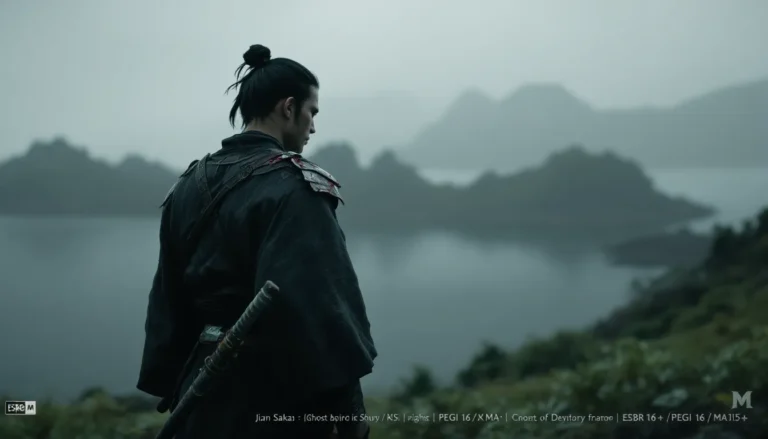
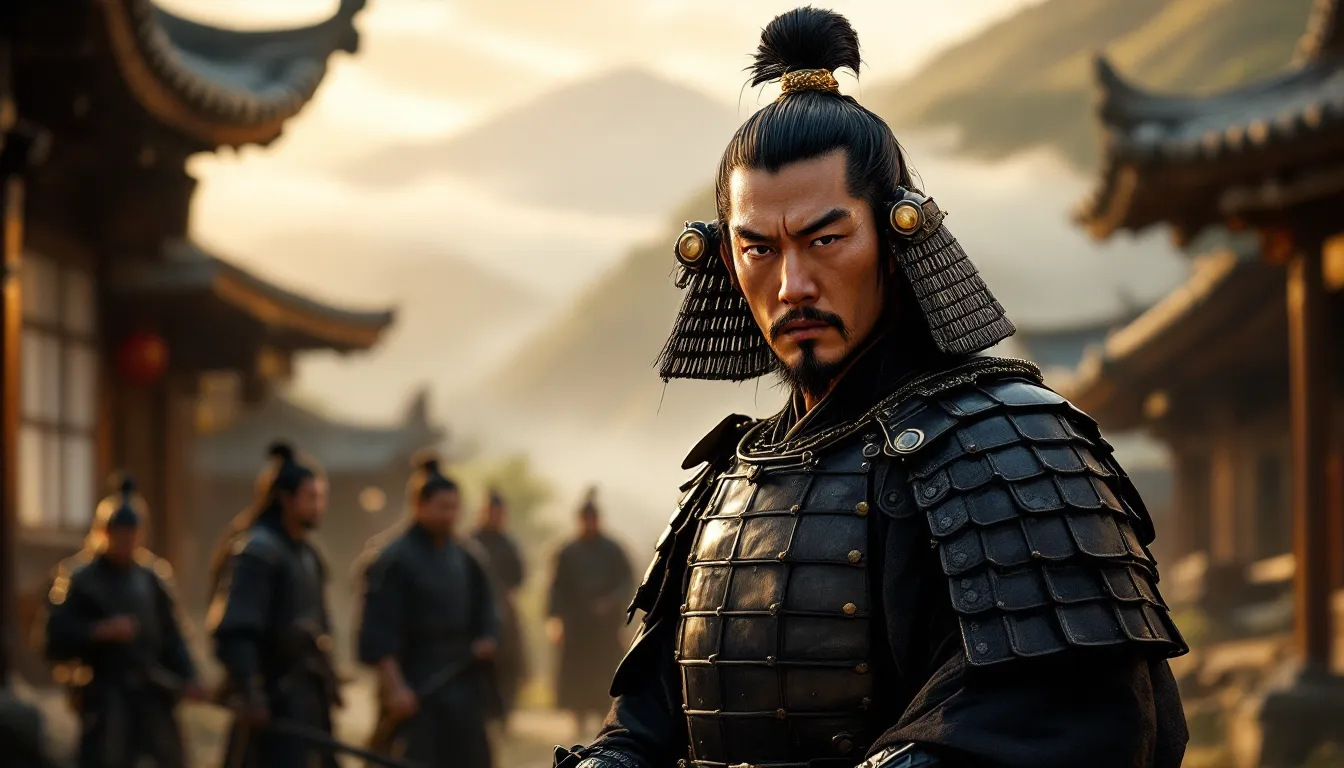
Jin Sakai is the heart of Ghost of Tsushima, and casting this role correctly was make-or-break for the entire project. The filmmakers landed Hiroyuki Sanada in the lead, bringing decades of action credibility to the reluctant samurai caught between honor and pragmatism. Sanada’s worked with Stahelski before on John Wick sequels, so there’s established trust there. This isn’t some Hollywood star shoehorned into a role, Sanada understands both samurai tradition and modern action filmmaking. His casting signals that the adaptation respects the source material rather than treating it as a cash grab.
The 63-year-old actor brings maturity and gravitas to Jin that’ll resonate with players who’ve experienced Jin’s internal conflict. You’re not getting a wide-eyed action hero here: you’re getting an actor who can convey the weight of impossible choices.
Supporting Cast Members
The supporting cast rounds out Jin’s world with some serious talent. Takehiro Hira plays Lord Shimura, Jin’s uncle and the man whose ideals eventually clash with Jin’s methods. Hira’s a veterans actor in Japanese cinema, known for bringing complexity to patriarchal figures. Casting him means Shimura won’t be a cartoon antagonist, he’ll be someone whose position makes logical sense, even as players disagreed with him in-game.
Minami Hamabe takes on the role of Yuna, the thief-turned-ally who becomes central to Jin’s mission. Hamabe’s range should bring depth to a character that’s easy to underestimate. She’s got action chops from previous roles, which matters when you’re fighting Mongol troops alongside the protagonist.
Other key supporting players include Masanobu Ando as the cunning Khotun Khan’s lieutenant, and Geoff Pierson pulling double duty as a Western presence in the story. The casting department clearly prioritized actors who understand period pieces and martial arts choreography, not just recognizable names.
Notable Antagonists And Villains
Hiroki Narimiya steps into one of the most important roles: Khotun Khan, the Mongol invader whose presence defines the entire conflict. Narimiya’s a Japanese actor with serious range, and the filmmakers made a deliberate choice to cast someone who understands the cultural context rather than importing a Western actor for “name value.” Khan needs to feel like a legitimate threat, someone Jin respects as an adversary, and Narimiya’s capable of that nuance.
The antagonist roles extend beyond Khan. Various Mongol generals and samurai loyalists fill out the antagonist roster, each played by actors with combat training. You won’t see sloppy sword choreography here: Stahelski’s known for technical precision in action sequences.
The Original Game Cast vs. Film Adaptation
Comparing Voice Actors To Live-Action Performers
The original Ghost of Tsushima game featured David Hayter as the English voice of Jin Sakai, a veteran actor known for his work in Metal Gear and other major titles. Hayter brought a measured, introspective quality to Jin’s internal monologue. But live-action changes everything, you’re not hearing Jin’s thoughts anymore, you’re watching his face and body language convey the same emotional beats.
This is where Sanada’s casting becomes even more crucial. He’s not replacing Hayter’s performance: he’s translating it. Voice acting and live-action are fundamentally different disciplines. Sanada’s understated style mirrors Hayter’s approach, less theatrical posturing, more internal struggle shown through physicality. The game’s Japanese voice actor, Minami Tsukui, clearly influenced the tone, and the live-action film’s aiming for that same balance between samurai stoicism and human vulnerability.
Other original game cast members like Kit Harington (who voiced additional characters) won’t be returning, obviously. The film’s building from scratch with its voice cast for supporting characters, which gives Stahelski room to reshape certain story beats.
Character Reimagining For The Big Screen
Live-action adaptation requires changes. Some characters get expanded, others get condensed, and a few get reimagined entirely for pacing and cinematic flow. Yuna, for instance, has a larger role in the film than she does in certain game missions. The movie version deepens her backstory and her relationship with Jin earlier in the narrative.
Shimura’s character arc also shifts slightly. In the game, your understanding of his position crystallizes over Acts, but the film compresses this into a more straightforward moral conflict. This isn’t a weakness, it’s adaptation reality. You’ve got roughly 130-150 minutes to tell a story that spans 50+ hours of gameplay. Choices have to be made, and the filmmakers are focusing on Jin’s internal journey rather than every subplot.
Yuna’s role expands because the film needs a secondary protagonist for broader audience appeal. It’s a smart choice that doesn’t betray the source material, it just prioritizes certain elements. Game purists might find the Ghost of Tsushima: Uncover version of events more familiar to what they experienced.
Director And Creative Team Behind The Film
Vision For Bringing Tsushima To Life
Chad Stahelski is directing the Ghost of Tsushima film, which tells you everything about the adaptation’s approach. Stahelski’s the John Wick architect, a director obsessed with technical action choreography and emotional restraint. He’s not interested in Hollywood excess. His vision treats Jin’s story like Wick’s: a man who’s forced out of retirement (or in Jin’s case, forced to abandon his code) and must operate in a world with its own brutal logic.
Stahelski’s worked extensively with Japanese action cinematographer Junichi Fujioka, who brings decades of anime and samurai film experience. This isn’t some Western director imposing his aesthetic onto a Japanese story, Stahelski’s actively building a team that understands Tsushima’s cultural context.
The director’s stated goal is capturing the game’s emphasis on honor versus pragmatism without veering into either romanticized samurai territory or grimdark cynicism. He’s watching the Ghost of Tsushima Jin’s Journey: From Samurai to Stealthy Warrior arc and building a film that respects Jin’s slow moral compromise.
Screenplay And Production Details
Takashi Doscher handled the screenplay, adapting the game’s narrative for film format. Doscher’s known for scripts that prioritize character dynamics over plot mechanics, which is exactly what Ghost of Tsushima needs. The challenge: translating gameplay choices into a linear narrative. When players chose the Samurai or Ghost path, they were making a statement. The film needs to earn that same moral weight without player input.
Production began in 2025, with principal photography wrapping by early 2026. The filmmaking took advantage of practical locations in Hokkaido, Japan, which provided authentic landscapes without relying entirely on CGI. Stahelski’s known for doing as much practical work as possible, which tracks with casting choices emphasizing actual martial artists and combat choreographers over pure Hollywood types.
The production budget’s estimated around $150-180 million, which reflects the scale and ambition. This isn’t a side project, it’s a major studio commitment to bringing a beloved game to film. The timeline also suggests the filmmakers took their time with post-production rather than rushing to 2027. Quality control matters here.
Release Date And What Gamers Should Expect
Production Timeline And Updates
The Ghost of Tsushima film arrives in summer 2027, positioned as a major theatrical release. Sony Pictures is distributing, and they’re treating this like a prestige project rather than a quick adaptation cash-in. That theatrical window matters, the studio’s confident enough to avoid direct streaming release, which signals faith in the product.
Recent updates from Gematsu and other gaming outlets confirm the July 2027 release, with marketing ramping up throughout spring and early summer. The first trailer’s expected around March 2027, giving audiences six months to build anticipation. Stahelski’s being cagey about story details, which is smart, the gaming community will pick apart any deviation before the film even releases.
Casting announcements rolled out across 2025-2026, with each reveal generating discussion about whether the filmmakers understood the source material. The consensus shifted positive as details emerged about Sanada’s action training and Stahelski’s involvement. Cast of ghost of tsushima film news dominated gaming discourse for months.
How The Film Will Honor The Game’s Legacy
The adaptation’s committed to preserving the game’s visual and thematic DNA. Cinematography specifically references the game’s standoff sequences, with the film incorporating similar framing and pacing. The Tsushima Cinematic Moments: Discover the Most Breathtaking Scenes in Gaming aesthetic that made the game so striking will translate to live-action through deliberate composition and color grading.
Sound design’s another priority. The game’s score (by Ilan Eshkeri and others) influenced the soundtrack approach. The film’s composer, Volker Bertelmann, creates orchestral pieces that honor traditional Japanese instrumentation without veering into orientalist pastiche. This matters because Ghost of Tsushima walks a line, it’s a game about samurai made by Western developers, and the film needs to respect that hybrid perspective.
Story-wise, the film’s adapting the main narrative arc but streamlining certain open-world elements. Players exploring Tsushima found optional missions and characters that enriched the world. The film can’t include all of that, but it’s preserving the moral core: Jin’s transformation from honorable samurai to “Ghost,” the supernatural-seeming warrior willing to use any means necessary. That arc’s the heart everything else hangs on, and based on script details that’ve leaked, Stahelski’s committed to earning it.
Fan Reactions And Community Anticipation
What The Gaming Community Hopes To See
The gaming community’s cautious optimism defines the vibe around this adaptation. After years of terrible video game movies, fans learned to lower expectations. But Ghost of Tsushima’s different, the game’s already structured like a film, which gives audiences and filmmakers tangible source material to work with.
Reddit threads and Discord servers consistently mention the same hopes: authentic martial arts choreography, respect for the game’s tone, and casting choices that suggest cultural understanding. The Sanada announcement largely satisfied these concerns. He’s not a controversy, he’s a legitimate legendary action actor. That matters more than name recognition.
One specific request circulating through gaming communities: the film should include at least one major standoff scene that replicates the game’s iconic one-on-one duels. Not a gimmick, but a genuine dramatic moment that echoes the game’s structure. Given Stahelski’s action background, this seems likely.
Another hope concerns the Ghost Armor decision. In-game, you unlock the infamous Ghost Armor and embrace the “Ghost” identity. Should the film show this transformation? How prominent should stealth combat be versus traditional samurai combat? The The Impact of Loss emotional core that drives players also drives these questions. The armor’s not just gear, it represents moral compromise.
Community discussions also reflect desires for expanded story potential. Gaming Reddit wants the film to work as a standalone experience for non-gamers while respecting the game’s lore for veterans. That’s the challenge. Coverage on Kotaku and similar outlets captures this tension perfectly, adaptation needs to serve two audiences simultaneously.
Fans also hope for a sequel greenlight depending on 2027’s box office performance. If the film succeeds, there’s massive potential for Khotun Khan’s perspective, the mainland storyline hinted at in the game, or even a prequel focusing on samurai culture. But that’s getting ahead of ourselves. First, the 2027 film needs to land.
Conclusion
The Ghost of Tsushima film’s shaping up as a genuinely interesting adaptation, not because it’s a game-to-film conversion, but because the creative team respects both mediums. Hiroyuki Sanada leading an ensemble cast under Chad Stahelski’s direction signals that Sony’s treating this as prestige cinema, not just IP exploitation.
The film arrives in summer 2027 with July penciled in as the release window. Whether it resonates depends on execution, the script’s gotta land emotional beats, the action choreography needs to honor the game’s technical approach, and the pacing must serve casual moviegoers while satisfying the gaming community that’s spent years with Jin’s story.
What makes this adaptation genuinely compelling is that the game’s already cinematic. The heavy lifting’s done. Stahelski just needs to translate rather than reinvent, and based on every announcement so far, that’s exactly what’s happening. The cast of ghost of tsushima film has gamers genuinely excited rather than cynical, which for a video game adaptation in 2026, feels like a minor miracle in itself.