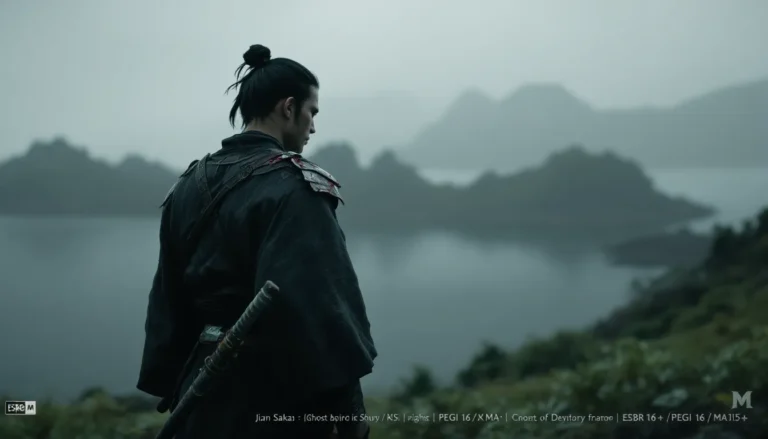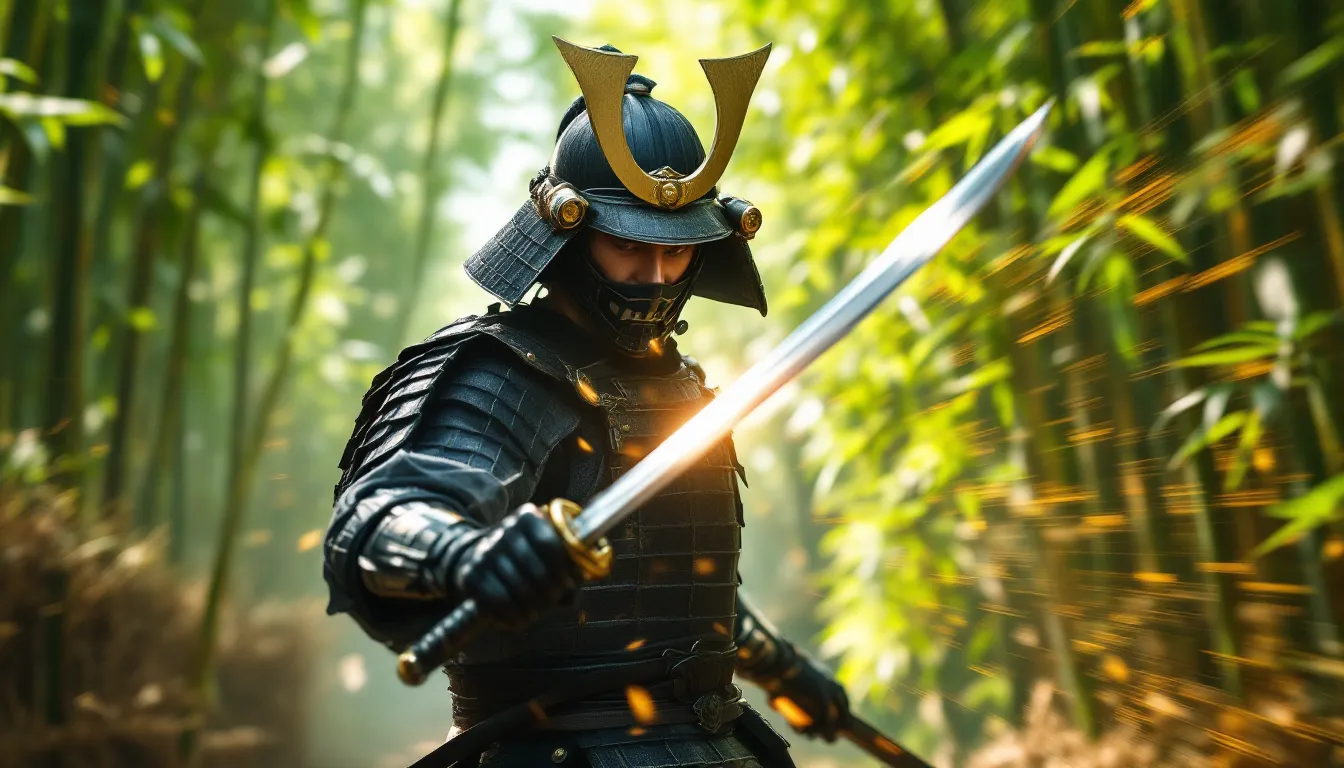
If you’ve wandered through the lush bamboo groves of Tsushima, you’ve probably spotted those serene training areas where Jin can test his blade work. Bamboo strikes in Ghost of Tsushima aren’t just atmospheric decoration, they’re mini-challenges that reward patience, timing, and precision. Whether you’re chasing 100% completion or looking to hone your combat skills before taking on harder difficulties, these deceptively simple encounters pack more depth than they first appear. This guide breaks down everything you need to know about completing every bamboo strike, from the mechanics that govern them to the specific rewards that make them worth your time.
Table of Contents
ToggleKey Takeaways
- Bamboo strikes in Ghost of Tsushima reward 1 Technique Point each, offering 15 fast progression points without grinding enemy encounters across the three regions.
- Precise timing is essential for completing bamboo strikes—strike the rope at its closest approach by positioning yourself directly in front of the target and using lock-on to center your view.
- Stone Stance works best for slower-paced Izuhara strikes, Water Stance provides consistent mid-range performance, and Wind Stance matches the faster ropes in Kamioka and Shimazu regions.
- Mastering bamboo strikes builds critical muscle memory that translates directly to challenging duels and combat scenarios, teaching rhythm, recovery windows, and when not to swing.
- Completing all 15 bamboo strikes unlocks exclusive cosmetic rewards including the Master of the Blade dye set and unique horse saddle designs unavailable through other means.
- Flow state and meditative focus are more effective than rushing; watch the rope’s pattern for 10 seconds, commit to consistent attempts without stance changes, and practice in a distraction-free environment.
What Are Bamboo Strikes?
How Bamboo Strikes Work in Gameplay
Bamboo strikes are standalone environmental challenges scattered across Tsushima‘s three regions. When you approach one, you’ll find a bamboo target with a rope attached. Strike it with your katana at the exact moment the rope swings back toward you. Time it right, and you’ll cleave through cleanly. Mess up the timing, and you’ll get nothing, no damage, no progress. There’s no combat, no enemies, no RNG involved. It’s purely a test of rhythm and understanding the game’s swing mechanics.
The game doesn’t force you into a specific stance. You can use Stone Stance (slow, heavy), Water Stance (balanced), Wind Stance (fast, multiple hits), or Moon Stance (perfect for counters, though less useful here). The key is consistency: swing at the right moment, every time. You’ll get visual and audio feedback when you connect cleanly, the bamboo cracks distinctly, and you hear the satisfying thwack of a proper strike.
Each strike location features a counter showing your current attempts versus successful hits. Early attempts might feel clunky, but the skill translates directly to real combat timing. When you’re dodging Mongol attacks or punishing an opening in a duel, the muscle memory from these drills kicks in.
Why Bamboo Strikes Matter for Your Progression
Bamboo strikes are one of the fastest ways to earn Technique Points, which unlock new stances and combat abilities. Complete one successfully and you gain 1 Technique Point. With 15 bamboo strikes scattered across the island, that’s 15 potential ability upgrades without grinding combat encounters. For players working toward Platinum or just trying to unlock endgame techniques faster, these challenges are efficient farming.
Beyond the mechanical progression, bamboo strikes build muscle memory for Jin’s swing speed and recovery windows. When you face challenging duels or Mongol camps on high difficulties, the timing lessons from bamboo work translate immediately. You learn exactly how long recovery takes, how to chain strikes, and most importantly, when not to swing. That last point separates competent players from excellent ones.
There’s also a hidden satisfaction factor that shouldn’t be overlooked. In a game filled with massive battles and moral choices, the bamboo strikes offer a moment of zen. You enter a flow state, focusing purely on rhythm and execution. For many players, these small pockets of calm meditation are exactly what makes Ghost of Tsushima special. Sucker Punch understood that not every reward needs to be flashy, sometimes the reward is mastery itself.
Locations of All Bamboo Strikes Across Tsushima
Bamboo Strikes in Izuhara
Izuhara is your starting region and contains the easiest bamboo strikes to access. The first strike you’ll likely encounter is near Torii Gate, sitting prominently on a clifftop overlooking the bay. This one’s forgiving, the rope swings at a steady, predictable pace. Nail this one first to get a feel for the timing.
Heading inland from the coast, you’ll find another strike in the Komoda Beach area. It’s tucked into a small clearing away from the main roads. This one’s slightly faster than Torii Gate, so if you’re struggling, come back after getting a rhythm down elsewhere.
The third Izuhara strike sits near the Akane Mill, hidden in a valley between two hillsides. This location requires a bit of navigation to find, but once you spot it, the strike itself is moderately paced. The surrounding bamboo forest creates an immersive vibe while you’re working through your attempts.
Finally, the Islet of Whispers has a strike accessible after climbing to a hidden shrine. This one’s positioned on a rocky outcrop with ocean winds in the background. The visual setting is stunning, and the strike tempo is mid-range. If you’re exploring thoroughly for all collectibles, you’ll stumble across it naturally.
Bamboo Strikes in Kamioka
Kamioka ramps up the difficulty considerably. The region’s strikes feature faster rope swings and tighter timing windows. The first strike you’ll encounter in Kamioka is near Castle Town, sitting in a peaceful grove just outside the settlement. Don’t let the calm surroundings fool you, the rope moves noticeably faster here. Expect to invest more attempts if you’re still building rhythm.
Inland from the castle, the Dusk Patrols area houses another strike in a secluded bamboo thicket. This location’s slightly harder to navigate to, but the strike itself is worth the journey. The rope tempo here is where many players start noticing their skill gaps. Speed up your reaction time or you’ll whiff repeatedly.
The Autumn Mountain Passage contains a strike positioned at the foot of a cliff. The strike itself sits on relatively flat ground, but the surrounding terrain can make it feel disorienting if you’re not careful with your camera angle. Find a comfortable position before committing to your attempts.
One more Kamioka strike waits near the Omori Dungeon in a hidden grove accessible only after exploring off the beaten path. It’s one of the region’s toughest strikes, with a rope speed that demands precision. Save this one for when you’ve built solid timing across other locations.
Bamboo Strikes in Shimazu
Shimazu is the endgame region where bamboo strikes become genuinely challenging. The ropes swing fastest here, and the timing windows shrink considerably. If you’re tackling these without proper practice, you’re setting yourself up for frustration.
The Shimazu Stronghold area has a strike positioned in a secluded area outside the main compound. This one’s a serious test, the rope swings at maximum speed. Come prepared with solid fundamentals or you’ll rack up dozens of failed attempts. This is where bamboo strikes shift from “pleasant diversion” to “legitimate skill challenge.”
Further southeast, near the Merchant’s Wharf, another Shimazu strike sits overlooking the docks. The ocean backdrop creates visual noise that can distract, but concentrate on the rope’s motion and you’ll lock into the rhythm. This strike’s difficulty sits slightly below the Stronghold one, making it a good warmup.
The final bamboo strike in the game waits in the Eastern Shrine deep in Shimazu territory. Finding it requires thorough exploration, but the reward for reaching and completing it is special, it’s the last technique point many players earn before hunting down collectibles and cosmetics. The rope here is unforgiving. Master this strike and you’ve truly mastered the mechanic.
Tips & Techniques for Completing Every Bamboo Strike
Understanding the Timing Mechanics
The bamboo rope swings in a predictable arc. It starts at the far end, swings toward you, reaches its closest point, then swings back. You need to strike during that closest approach. The window is forgiving at lower difficulty levels but becomes razor-thin in Shimazu. The visual cue is the rope’s position, when it’s parallel to Jin’s body, that’s your moment.
The game’s camera angle matters too. If you’re positioned too far to the side, the depth perception can mess with your timing. Position yourself directly in front of the bamboo target. This gives you the clearest view of the rope’s movement and removes guesswork from the equation. Pro tip: use the lock-on system (L1) to keep the camera centered on the target even as you rotate your viewpoint.
Practice the motion without striking first. Just watch the rope’s swing a few times before committing. Notice the rhythm, is it fast, medium, or slow? Count the beats in your head. Once you’ve internalized the pattern, your body will naturally swing at the right moment. This is especially important for Shimazu strikes where the rhythm is faster than what most players are used to.
One overlooked detail: camera sensitivity matters. If your camera’s turning too quickly, you might whiff your strike because you’ve accidentally rotated off-target. Reset your stance before each attempt. In Stone Stance, your swing is slower but your window is wider. In Wind Stance, your swing is faster, which can actually help with quick ropes. Experiment between attempts to find what feels natural.
Best Sword Stances for Maximum Damage
While any stance technically works, some are objectively better for bambooo strikes. Stone Stance offers the largest damage output per strike and feels most “heavy,” which some players find satisfying. The slower animation means you need slightly earlier timing, aim for when the rope is just approaching its closest point. Stone works best on slower-paced strikes in Izuhara and early Kamioka.
Water Stance is your middle ground. Balanced speed and damage, moderate swing window. This is arguably the most consistent stance for mid-difficulty strikes. If you’re finding Stone too slow or Wind too fast, Water usually slots right into your comfort zone. Many speedrunners favor Water for consistency across all 15 strikes.
Wind Stance swings fastest. Your window is tightest, but if you time it correctly, the animations feel crisp and responsive. This is the go-to for faster ropes in Kamioka and Shimazu. The downside: one mistimed swing and you’ve wasted precious seconds on a failed animation. Wind demands confidence, not hesitation.
Moon Stance isn’t recommended for bamboo strikes. It’s designed for countering, not aggressive offense. While technically you can complete strikes with Moon, you’re working against the stance’s design. Skip it unless you’re specifically challenging yourself.
Switch stances freely between attempts, there’s no penalty. If you’re struggling with a particular strike, try a different stance for a few attempts. Sometimes the problem isn’t your timing but the stance animation not matching your rhythm. Trust your instincts and adapt.
Common Mistakes to Avoid
The biggest mistake is rushing. Gamers see a bamboo strike, jump in confidently, and start swinging before understanding the rope’s pattern. Take 10 seconds to watch the rhythm. This saves minutes of failed attempts. Patience here translates to faster completion overall.
Mashing the button is another killer. This isn’t a button-mashing mechanic. One precise swing per rope swing. Mashing leads to early swings, late swings, and wasted stamina. Press the attack button exactly once per rope cycle. Quality over quantity.
Poor camera positioning creates artificial difficulty. If you can’t clearly see the rope’s closest approach, you’re handicapping yourself. Reposition. Adjust the camera. Use lock-on if needed. Your visual clarity directly impacts your success rate.
Fatigue and frustration lead to sloppy attempts. If you’ve failed 10 times in a row, step away. Grab water, take a 5-minute break, come back fresh. Bamboo strikes require focus. Attempting them while frustrated is the gaming equivalent of lifting weights while exhausted, you’re just training bad habits.
Another common trap: assuming the fastest approach is best. Some players rush through Wind Stance attempts when Stone Stance would feel more natural to them. There’s no speedrun timer here. Choose the stance that feels most comfortable and master it. Speed comes from consistency, not from forcing yourself into a faster animation.
Rewards & Unlockables for Completing Bamboo Strikes
Cosmetic Rewards and Customization Options
Complete each bamboo strike and you’re not just farming technique points, you’re also unlocking cosmetic rewards tied to your performance. The game tracks your success rate: nail perfect strikes and you’ll unlock cosmetic skins and dye colors unavailable through other means. Some players argue these cosmetics are purely vanity, but in a game as visually stunning as Ghost of Tsushima, how Jin looks matters.
Specific cosmetics include unique armor dye patterns that change your samurai’s appearance. Completing all 15 strikes unlocks the Master of the Blade cosmetic set, a rare dye combination that’s exclusively available to players who’ve conquered every single strike. This isn’t mandatory for gameplay, but it’s a visible badge of honor among the Ghost of Tsushima community.
You’ll also unlock unique horse saddle designs tied to bamboo strike completion. These saddle cosmetics are purely aesthetic but incredibly cool-looking. They’re the kind of reward that doesn’t affect gameplay but makes your character feel earned and distinguished. Many players find themselves cycling through these designs just to appreciate the craftsmanship Sucker Punch invested in them.
Skill Points and Ability Upgrades
The real mechanical payoff for bamboo strikes is Technique Points. Each successful strike awards 1 Technique Point, and these directly unlock new combat abilities. With 15 bamboo strikes available, that’s 15 abilities you can unlock without grinding tedious enemy encounters.
These technique points unlock essential abilities across all four stances. Stone Stance abilities improve your defensive capabilities. Water Stance unlocks balanced offensive/defensive moves. Wind Stance grants multi-hit combo progression. Moon Stance enables specialized counter techniques. Having all 15 Technique Points means you’re not restricted by limited ability slots, you have every tool in Jin’s arsenal available immediately.
Perfecting your bamboo strike technique also teaches you the combat fundamentals that make other ability unlocks feel natural. When you unlock Heavenly Strike or Typhoon later through normal progression, you already understand the timing and rhythm that makes them effective. The bamboo strikes function as a tutorial-within-the-game that separates casual players from those who truly understand Ghost of Tsushima’s combat design.
For completionists working toward Platinum trophy or 100% achievement hunting, bamboo strikes are non-negotiable. They’re the fastest route to unlocking techniques and are often the last challenge players tackle before mopping up remaining collectibles. The fact that they’re also fun and skill-based (rather than tedious busywork) is a testament to Sucker Punch’s design philosophy.
Advanced Strategies for Perfect Scores
Perfecting Your Rhythm and Focus
Mastery of bamboo strikes comes down to entering a meditative flow state. Elite players treat these challenges like musical rhythm games, they’re not thinking about individual swings but rather syncing with the rope’s tempo. Your brain shouldn’t be actively “deciding” when to swing. Instead, your muscle memory takes over and your hands execute the strike automatically.
To build this flow state, pick a single strike and commit to 30 attempts in a row without stopping between failures. Don’t reset your stance or change your approach. Just keep swinging. By attempt 15, your body will have internalized the rhythm. By attempt 30, you’ll likely have completed it multiple times. This is the fastest way to calibrate your internal clock to the rope’s timing.
Music can either help or hurt your focus here. Some players mute the game audio and play their own music at a consistent tempo. Others need the game’s subtle audio cues to sync their timing. Experiment and find what works. The best practice sessions are the ones where you’re not actively thinking, you’re just reacting.
One advanced technique: zone in on a single point of the rope. Don’t track the entire arc. Pick the closest point (where you should strike) and lock your eyes there. Your peripheral vision will still catch the rope’s motion, but your focus is laser-tight on that one spot. This level of concentration is what separates players with 50% success rates from those with 90%+ consistency.
Equipment Loadouts for Optimal Performance
While bamboo strikes don’t technically require specific equipment, certain loadouts enhance your success rate through psychological and mechanical advantages. Equip the Ronin Armor for its swift, responsive aesthetic. Visually responsive armor that moves fluidly as you swing helps your brain register animations faster.
Your katana dye choice matters more than you’d think. Use a dye with high contrast against the environment. If the bamboo grove is green, equip a red or gold dye so your blade pops visually. This improves your perception of swing completion and makes visual feedback more obvious. Dark dyes against dark backgrounds create visual ambiguity that slows your reaction time.
Consider your stance dye selections as well. Some stances have animations that are easier to track with certain visual configurations. Stone Stance with a bright dye is easier to follow through to completion. Wind Stance with a lighter dye gives better visual feedback on multi-hit combos. These aren’t mechanical advantages, they’re perceptual ones. Better perception leads to better execution.
One often-overlooked setup detail: adjust your game’s brightness settings before tackling Shimazu strikes. If your screen is too dark, the rope’s motion becomes harder to track. Too bright and you lose the visual contrast that helps your eyes lock onto the rope’s position. Find the sweet spot where you can clearly see both the rope and the surrounding environment. This is especially important for the final, hardest strikes.
Finally, make sure you’re in a quiet, distraction-free environment. Bamboo strikes demand focus. No phone notifications, no roommates yelling, no background distractions. Gaming at your peak performance requires environmental support. Even pros take this seriously, it’s why tournament players are meticulous about their setup. Your bamboo strike practice isn’t tournament-level, but the principle stands: environment affects execution.
Conclusion
Bamboo strikes might seem like optional busywork at first glance, but they’re actually one of Ghost of Tsushima’s most rewarding systems. They offer immediate progression through Technique Points, unlock exclusive cosmetics, and most importantly, they build the muscle memory that transforms you from competent to masterful. By the time you’ve completed all 15 strikes across Izuhama, Kamioka, and Shimazu, you won’t just have technique points. You’ll have the timing and confidence to handle any combat scenario the game throws at you.
Whether you’re chasing Platinum, working toward 100% completion, or simply want to become a more skilled samurai, the approaches outlined here, understanding the mechanics, positioning yourself correctly, choosing the right stance, and maintaining focus, work across every difficulty level. Start with Izuhama’s gentler ropes, build your rhythm through Kamioka’s mid-tier challenges, and conquer Shimazu’s demanding finale. The journey teaches you as much as the destination.
In a year where Ghost of Tsushima continues to captivate players across PS4 and PS5, these bamboo strikes remain relevant. They’re a masterclass in minimalist game design, simple on the surface, infinitely deep when you commit to mastery. Go forth, meditate with your blade, and claim every technique point waiting for you across Tsushima.