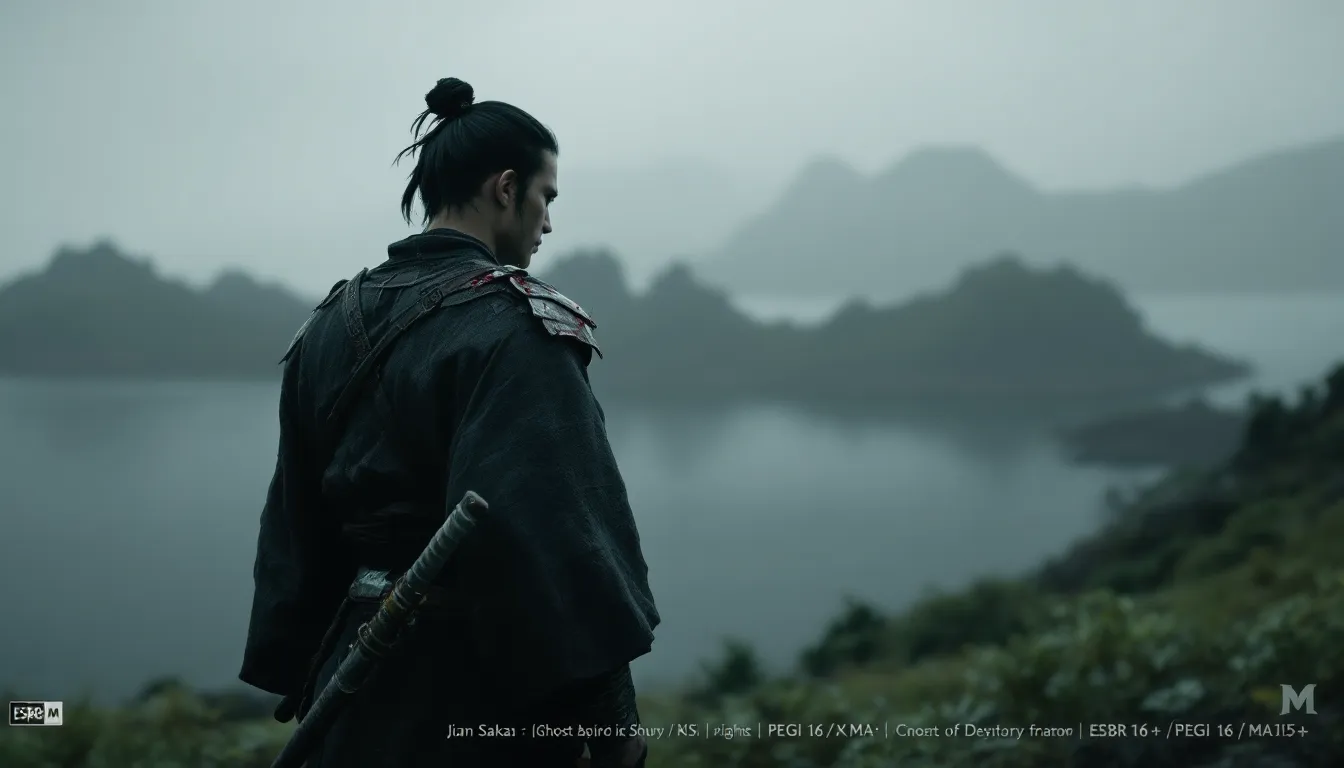
Ghost of Tsushima is one of PlayStation’s most celebrated exclusives, delivering a stunning open-world samurai experience that’s captivated millions of players since its 2020 release. But if you’re considering jumping into Jin Sakai’s journey on Tsushima Island, whether for yourself or a younger gamer in your household, you need to know what the mature rating actually means. The game doesn’t just earn its M for Mature badge through visual spectacle alone: it’s the combination of intense violence, graphic depictions, and thematic content that drives the classification. Understanding the Ghost of Tsushima age rating isn’t about being overly cautious, it’s about making an well-informed choice before you hit play.
Table of Contents
ToggleKey Takeaways
- Ghost of Tsushima carries an ESRB M (Mature 17+) rating in North America due to blood, violence, and mild language, while international ratings vary with PEGI 16 in Europe and MA15+ in Australia.
- The game’s mature rating stems from visceral samurai combat, grounded blood effects, and serious thematic content exploring honor and moral compromise rather than gratuitous shock value.
- Parents can use PlayStation parental controls to manage access by setting system-level content restrictions and requiring PIN authorization, though the game doesn’t offer a violence-reduced version.
- Teenagers aged 16-17 with experience in comparable T-rated action games may handle Ghost of Tsushima appropriately, while those under 14 likely lack the emotional maturity for its narrative complexity and violent scenes.
- Ghost of Tsushima’s violence is more grounded and historically contextual than fantasy action titles like Sekiro or Elden Ring, making it comparable in intensity to games like Uncharted and Red Dead Redemption 2.
What Is The Official Age Rating For Ghost Of Tsushima?
ESRB Rating Details
Ghost of Tsushima carries an ESRB M (Mature 17+) rating in North America, meaning it’s intended for players aged 17 and older. The ESRB specifically flagged the game for “Blood, Violence, and Mild Language,” categories that cover everything from the sword-combat system to environmental storytelling.
The M rating sits one tier below the Adults Only (AO) classification, it’s not the highest restriction you’ll see, but it’s well above the T for Teen threshold. This distinction matters because the difference between a T-rated and M-rated action game often comes down to how graphically violence is portrayed and the maturity of narrative themes.
PEGI And International Ratings
Outside North America, Ghost of Tsushima received a PEGI 16 rating from the European classification board, which permits players aged 16 and up. PEGI is generally more lenient than ESRB on violence in historical or fantasy contexts, which is why you sometimes see a gap between North American and European ratings.
In Australia, the game secured an MA15+ classification, similar to PEGI 16 in permissiveness. The differences in regional ratings reflect how each classification system weighs violence, language, and thematic content. PEGI 16, for instance, doesn’t factor in mild profanity as heavily as ESRB does when determining final ratings. That’s why the same game can be M (17+) in one region and PEGI 16 in another, the rating bodies genuinely see the content through different lenses.
Why Ghost Of Tsushima Received A Mature Rating
Violence And Combat Mechanics
At its core, Ghost of Tsushima is a samurai combat game, and combat is visceral. The stand-offs system, where Jin draws his blade in a duel, delivers quick, brutal finishes. Sword clashes send blood spraying, and the game doesn’t shy away from showing the physical toll of close-quarters melee. The kill animations vary depending on your approach: standoffs result in instant, clean cuts, while prolonged sword fights show mounting injuries on both Jin and his opponents.
When you’re in open combat during story sequences, enemies react realistically to blade strikes. You’ll see impacts, stumbles, and death animations that, while not gratuitously slow-motion, aren’t softened either. The game walks a line between artistry and realism, it’s not trying to shock for shock’s sake, but it’s also not pulling punches.
The Unarmored Duels against specific bosses escalate this further. These encounters are intimate, one-on-one fights where the camera zooms in, music crescendos, and the clash of steel dominates the screen. Victories feel earned because the violence feels consequential.
Blood, Gore, And Graphic Content
Blood is persistent in Ghost of Tsushima, it stains Jin’s clothes, coats his blade, and pools on the ground after fights. This isn’t Mortal Kombat-level graphic brutality: it’s more grounded and realistic. You won’t see limbs flying off or extreme dismemberment, but you will see blood as a visual consequence of combat.
Certain story sequences push this further. Without spoiling specifics, there are moments where the game depicts injury and suffering in ways that transcend gameplay violence. A character might be shown with serious wounds, or the aftermath of a brutal encounter is rendered on-screen. These scenes exist to emphasize the human cost of war and dishonor, which is central to Ghost of Tsushima’s narrative.
The game also includes a few scenes involving poisoning and disease that, while not grotesquely animated, are depicted in ways that underscore desperation and mortality. These aren’t jump scares or horror-game grotesquerie, they’re narrative beats that demand player acknowledgment.
Language And Mature Themes
The “Mild Language” descriptor on the ESRB rating means Ghost of Tsushima doesn’t feature constant profanity. That said, characters do swear when emotionally heightened, a soldier might curse after losing a friend, or a warlord might unleash expletives during confrontation. It’s sparse but present, fitting the game’s serious tone.
Beyond language, the thematic maturity is what really pushes the rating up. Ghost of Tsushima wrestles with honor, sacrifice, betrayal, and the moral compromises required to survive. Jin must question whether protecting his people justifies abandoning samurai code. Characters make impossible choices. Death is frequent, and its weight accumulates throughout the story. The game treats these themes seriously, refusing easy answers, that philosophical complexity contributes to the mature rating as much as the on-screen violence does.
There’s also depictions of cultural conflict and colonial occupation. While handled respectfully, the game doesn’t shy from showing the brutality of invasion and the desperation it breeds.
Content Warnings Parents And Guardians Should Know
Specific Scenes And Sequences
If you’re a parent or guardian evaluating the game for a younger player, here are the moments that specifically triggered the mature rating:
Act 1 contains the most intense story violence. Without spoiling plot, early missions involve massacres and destruction that Jin witnesses and participates in. The Unarmored Duel sequences against named opponents feature slow-motion, close-up sword combat with visible blood.
Act 2 escalates emotional stakes. A major character suffers a life-altering injury that’s depicted on-screen. There’s a poisoning sequence that’s stomach-turning more for its implications than visual gore. Betrayal hits hard, and the game shows characters experiencing genuine anguish.
Act 3 brings the narrative consequences together. Final confrontations involve high body counts. A particularly notable sequence involves Jin facing a character he cares about under morally ambiguous circumstances, the dialogue and camera work emphasize the tragedy more than any visual spectacle.
Throughout all acts, optional encounters like duels in Ghost of Tsushima can be as brutal as you want them to be. You choose your playstyle, stealth can minimize violence, but direct confrontation guarantees blood and impact animations.
Gameplay Elements That Contribute To The Rating
Beyond cinematics, gameplay systems contribute to the mature designation. The Ghost Stance, an ability that turns Jin into a whirlwind of slashing fury, is visually extreme. Enemies around you explode into clouds of blood as your blade cuts through multiple foes. It’s powerful, visually striking, and absolutely contributes to the violence assessment.
Standoff chains during combat let you instantly eliminate multiple enemies in succession, with each kill rendered in slow-motion sword strikes. These aren’t gratuitous, they’re mechanically satisfying, but they’re undeniably violent.
The open-world exploration also features environmental storytelling that’s mature in nature. You’ll find villages ravaged by Mongol occupation, characters in states of distress, and environmental clues that hint at atrocities. The game doesn’t need to show everything graphically: context and atmosphere do heavy lifting. But that maturity extends beyond combat into the world itself.
Hotsprings and character relationships add nuance. There are moments of intimacy between Jin and other characters, nothing explicit, but tender and adult in nature. The game respects these moments, treating them as emotional beats rather than titillation, but they underscore that this isn’t a game designed for younger players.
Is Ghost Of Tsushima Appropriate For Teenagers?
Age Recommendations Beyond Official Ratings
Here’s the honest take: the ESRB says 17+, but that doesn’t mean every 17-year-old should play it, nor does it mean no 15-year-old can handle it responsibly. Age ratings are guidelines, not absolutes, and maturity varies wildly among teenagers.
For 16-17 year olds: If a teenager has already played T-rated action games like Uncharted or Halo, they’ve likely seen comparable combat violence. Ghost of Tsushima is more grounded in its presentation, less sci-fi buffering, but the intensity isn’t drastically higher. If they’re mature enough to engage with themes of honor and moral ambiguity, this game can be worthwhile. The storytelling is genuinely excellent, and discussing the game’s themes afterward can spark meaningful conversation.
For 14-15 year olds: This is where parental judgment matters most. Some teenagers are ready for mature narratives and can distinguish between game violence and reality. Others aren’t, and that’s completely normal. If your teen is interested, watch a chapter together, gauge their reaction, and make a call. Ghost of Tsushima: Uncover provides rich storytelling that rewards engaged players, but the violence and themes require emotional maturity.
For under 14: The official rating exists for a reason. The game’s thematic complexity, sacrifice, moral compromise, existential conflict, is designed for older minds. Younger players might enjoy the samurai fantasy, but they’re likely to miss narrative depth or be genuinely disturbed by certain scenes.
One practical consideration: unlike multiplayer shooters with toxic online communities, Ghost of Tsushima is single-player. You can pause, step away, or replay sections. That control gives parents more oversight and teenagers more space to process what they’re experiencing. The game also doesn’t encourage reckless violence as a “strategy”, stealth is often the preferred approach, offering a counterbalance to combat-first gameplay.
Parental Controls And Options
PlayStation Console Settings
If you’ve decided Ghost of Tsushima is appropriate for someone in your household, PlayStation 5 and PS4 both offer parental control options that extend beyond simple “on/off” restrictions.
PlayStation Network Parental Controls let you set spending limits, restrict online communication, and control access to specific content ratings. You can restrict games rated M and above at the system level, then authorize individual exceptions. This means a parent can set the default to block mature titles but explicitly allow Ghost of Tsushima if they’ve made that judgment call.
You’ll find these in Settings > Family > Parental Controls on PS5, or Settings > Parental Controls on PS4. You can require a PIN to override restrictions, adding an accountability layer. If a younger gamer wants to play Ghost of Tsushima, they’d need parental approval each session.
Account Creation: Family managers can create child accounts linked to an adult account, which automatically inherit the parent’s content restrictions. This is useful for households with multiple children of different ages, each kid has age-appropriate restrictions, but games appropriate for older siblings remain inaccessible for younger ones without PIN entry.
Game-Specific Accessibility Features
While Ghost of Tsushima doesn’t have a “violence slider” that reduces gore or tones down mature scenes, it does offer accessibility options that can make the experience more comfortable:
Difficulty Settings affect combat intensity without removing mature content. Playing on lower difficulties means fewer enemy encounters, shorter combat sequences, and less time viewing blood effects. Story Mode reduces combat challenge so players can focus on narrative without spending hours in brutal fights.
Audio Options let you adjust dialogue volume and music separately. If parental concern is specifically about language, you can’t mute profanity selectively, but you can lower dialogue volume to reduce its impact.
Colorblind Modes and High Contrast Settings are available for accessibility, not censorship, they don’t reduce mature content but can help players with specific visual needs engage with the game more comfortably.
Importantly, Ghost of Tsushima doesn’t offer a “kid-friendly version” with violence stripped out. The mature rating is baked into the game’s design. If you’re looking to significantly reduce the game’s violent or mature elements, this isn’t the title for that approach. But, you can control when and how often someone plays through difficulty settings and session management.
How Ghost Of Tsushima Compares To Similar Mature Games
Comparison With Other Samurai And Action Titles
Understanding Ghost of Tsushima’s maturity level becomes easier when you compare it to other contemporary action games and samurai titles.
Versus Sekiro: Shadows Die Twice (M): Sekiro is also M-rated, but for different reasons. It features intense boss fights and creative death animations, but the overall violence is less grounded. Sekiro is fantasy-focused: Ghost of Tsushima is historical. Ghost of Tsushima’s narrative maturity, the character development and thematic exploration, exceeds Sekiro, which prioritizes gameplay challenge over story.
Versus Elden Ring (M): Elden Ring’s M rating comes partly from fantasy violence and partly from player-driven narrative openness. Its violence is more fantastical (magic, creatures) than Ghost of Tsushima’s grounded samurai combat. But, Elden Ring contains more grotesque imagery, decaying corpses, body horror, whereas Ghost of Tsushima is primarily concerned with sword violence and blood.
Versus Uncharted series (M): The Uncharted games earned M ratings through gunfire violence and occasional profanity. Ghost of Tsushima’s violence is comparable in intensity, though more martial than ranged. Where Uncharted leans on action-movie spectacle, Ghost of Tsushima emphasizes samurai honor and moral conflict. Narratively, Ghost of Tsushima has more thematic depth.
Versus Red Dead Redemption 2 (M): Both are mature action-adventures with moral complexity. RDR2 includes more graphic depictions of certain acts and more frequent profanity, but Ghost of Tsushima’s combat violence is arguably more intense due to close-quarters sword fighting. If someone can handle RDR2, Ghost of Tsushima is within reach.
According to GameSpot’s review standards, Ghost of Tsushima’s violence and maturity are contextual rather than gratuitous. The game earns its rating through narrative seriousness and combat intensity, not by trying to shock. This is a meaningful distinction, it suggests the mature content serves the story rather than existing for its own sake. Game Informer’s coverage similarly noted that Ghost of Tsushima’s maturity comes from thematic weight, not shock value.
Versus T-Rated Alternatives: If you want samurai action without the M rating, titles like Like a Dragon: Ishin. are lighter on violence even though samurai settings. But, these games typically sacrifice either story depth or combat intensity that Ghost of Tsushima provides. The mature rating isn’t arbitrary, it reflects the game’s commitment to serious storytelling and consequential violence. Destructoid’s take emphasized that Ghost of Tsushima’s rating reflects artistic integrity rather than sensationalism.
The key takeaway: Ghost of Tsushima earns its M rating through mature themes and grounded violence presentation, not gratuitous gore or shock tactics. It’s more serious than many action games at the same rating level.
Conclusion
Ghost of Tsushima’s M (Mature 17+) rating reflects the game’s commitment to telling a serious story about honor, sacrifice, and moral compromise, not just its sword-slashing combat systems. The blood, violence, and thematic maturity aren’t there to shock: they’re intrinsic to the experience of being a samurai facing impossible choices during a brutal occupation.
If you’re an adult gamer, this rating barely registers as a barrier, you’re the target audience. If you’re deciding whether a younger player should experience Jin Sakai’s journey, the honest answer is that it depends on individual maturity level. A thoughtful 16-year-old who’s engaged with comparable games might handle it well. A 14-year-old might find certain scenes genuinely disturbing. Under 14, the game’s narrative complexity likely won’t land fully.
What matters most is making an informed choice. Don’t rely solely on the rating letter: understand why the game received that rating. Watch gameplay footage if you’re unsure. Discuss it with the person who’d be playing. PlayStation’s parental controls give you tools to manage access if you want them.
Ghost of Tsushima on PS4 and PS5 remains one of PlayStation’s finest exclusives precisely because it doesn’t compromise its vision to chase a broader audience. That artistic integrity, respecting the gravity of samurai storytelling and combat, is why it carries an M rating and why discerning players should take that rating seriously.