If you’ve spent hours grinding through Call of Duty’s Zombies mode or watched countless highlight reels of the iconic Ray Gun in action, you’ve probably thought about owning a replica. The Ray Gun isn’t just a weapon, it’s a cultural artifact in gaming, instantly recognizable to millions of players worldwide. Whether you’re a collector looking to display a centerpiece in your setup or a hardcore fan wanting to own a piece of Call of Duty history, finding the right Ray Gun replica can feel overwhelming. The market has exploded with options ranging from budget-friendly fan creations to museum-quality collectibles, and not all of them deliver on quality or accuracy. This guide breaks down everything you need to know about Call of Duty Ray Gun replicas in 2026: the types available, what separates genuine collectibles from cheap knockoffs, where to find them, and how to care for your investment. By the end, you’ll have the knowledge to make an informed purchase that matches your budget and expectations.
Table of Contents
ToggleKey Takeaways
- Call of Duty Ray Gun replicas come in four main types: licensed official versions, high-end collectibles ($150–$500+), affordable fan-made options ($40–$150), and 3D-printed customizable models, each offering different quality and price points for collectors.
- A quality Ray Gun replica requires solid materials like resin or die-cast metal, accurate in-game design proportions, invisible seams, and proper paint detailing to distinguish genuine collectibles from cheap knockoffs.
- Purchase Ray Gun replicas from official retailers like GameStop and Hot Topic, specialty stores such as Entertainment Earth, or vetted Etsy creators to ensure authenticity and avoid counterfeit products.
- Official licensed Ray Gun replicas hold the strongest resale value and can appreciate in price if kept in mint condition, making them better investment pieces than generic fan-made versions that lack scarcity.
- Preserve your replica by maintaining stable temperature and humidity, avoiding direct sunlight, using UV-filtering display cases, and handling carefully to prevent paint degradation and maximize long-term value.
- Display your Ray Gun replica using wall mounts at eye level with focused LED lighting (cool-toned 5000K–6500K), surrounded by complementary gaming decor to create a professional gallery effect that showcases the iconic weapon.
What Is The Ray Gun And Why It Matters To Call Of Duty Fans
The Ray Gun is a fictional wonder weapon in Call of Duty’s Zombies mode, first appearing in 2008’s World at War. Unlike standard firearms, the Ray Gun fires energized plasma projectiles that incinerate undead enemies in spectacular fashion. It’s instantly recognizable: a sleek, retro-futuristic design with a distinctive shape that’s been tweaked and reimagined across dozens of game versions.
For Call of Duty enthusiasts, the Ray Gun represents more than raw firepower. It’s the golden ticket in any Zombies run, the weapon that can turn a failing game around. Getting the Ray Gun from a mystery box (the randomized loot mechanic in Zombies) is a moment of genuine excitement, no matter how many hours you’ve logged. That emotional connection, combined with its visually striking design, is why replicas have become such a sought-after collectible.
Fans commission, buy, and display Ray Gun replicas because they want to hold a piece of that gaming legacy. Whether mounted on a wall next to posters and controllers or sitting on a desk next to a high-end gaming rig, a Ray Gun replica signals shared knowledge and passion within the gaming community. It’s a conversation starter and a flex for people who grew up with Call of Duty.
History Of The Ray Gun In The Call Of Duty Universe
Evolution Across Game Titles And Generations
The Ray Gun’s journey spans nearly two decades. It debuted in World at War (2008) as a weapon hidden in the Nacht der Untoten map’s mystery box. Back then, the 3D model was simpler, with a bulkier frame and more aggressive angles compared to modern iterations. As the franchise evolved, so did the Ray Gun.
Black Ops (2010) kept the weapon largely intact, but subsequent entries refined its aesthetics. Black Ops Cold War (2020) introduced the Ray Gun Mk II, a futuristic variant that appeared alongside the original. Modern entries have revisited the classic design with updated textures and lighting that leverage current-generation hardware. Vanguard (2021) and Black Ops 6 (2024) both feature the Ray Gun, proving its staying power across development cycles.
Each version has subtle design differences that collectors notice immediately. The barrel diameter, grip texture, and color palette shift slightly from game to game. Serious replica buyers research which version they want before committing, some prefer the OG 2008 aesthetic, while others chase the polished look of Cold War’s rendition.
Cultural Impact And Collector Appeal
The Ray Gun transcends gaming. Esports commentators hype up Ray Gun pulls during competitive Zombies tournaments. Content creators on platforms like Dexerto have built entire channels around Zombies strategies, and the Ray Gun always gets top billing. Streamers and YouTubers know their audience reacts with genuine excitement when the weapon appears on screen.
This cultural footprint drives collector appeal. Unlike cosmetic skins or battle pass items that exist only digitally, a physical Ray Gun replica is tangible. You can hold it, display it, and share photos. It’s collectible culture meeting gaming fandom. Rare or officially licensed replicas from early production runs have actually appreciated in value, making them pseudo-investments for serious collectors. The combination of nostalgia, rarity, and iconic design means demand consistently outpaces supply for premium versions.
Types Of Call Of Duty Ray Gun Replicas Available
Licensed Official Replicas
Activision and Call of Duty have partnered with toy and collectible manufacturers to produce official replicas. These carry the weight of authenticity, they’re licensed directly from the IP holder, meaning design accuracy is guaranteed and legal. Licensed replicas typically cost more than unofficial alternatives, but they’re the safest bet if you want a version that’s backed by the franchise.
Manufacturers like Trick or Treat Studios have produced limited-edition Ray Gun props in the past. These items often sell out quickly and command premium prices on the secondary market. Official replicas come with certificates of authenticity and proper packaging, making them ideal for collectors who prioritize legitimacy and presentation.
High-End Collectible Versions
High-end collectibles are replicas built with premium materials, resin, die-cast metal, and hand-painted detailing. These aren’t mass-produced toys: they’re crafted by artisans or small studios specializing in gaming collectibles. A high-end Ray Gun replica might feature light-up elements, realistic weight distribution, or movie-quality paint applications.
These pieces typically cost $150 to $500+ depending on complexity and materials. They’re designed for display and preservation, not handling or cosplay. Serious collectors gravitate toward these because they rival museum-quality prop replicas. Some are so detailed that photos posted online get mistaken for official merchandise.
Affordable Fan-Made Options
Not everyone can drop $300+ on a collectible. Fan-made replicas fill that gap. These are usually crafted by individual artists or small teams, produced in limited quantities, and sold through Etsy or Facebook groups. Prices range from $40 to $150 depending on materials and detail work.
Quality varies significantly in this tier. Some fan-makers are incredibly skilled and produce replicas nearly indistinguishable from licensed versions. Others deliver basic shapes with rough paint jobs. The gamble is part of the appeal for budget-conscious buyers, you might score a bargain gem or end up with a dud. Checking reviews, photos of finished products, and the creator’s portfolio is essential before purchasing.
3D-Printed And Customizable Models
The rise of accessible 3D printing has spawned a new category: digital files and pre-printed Ray Gun components. Enthusiasts with 3D printers can download CAD files (some free, some paid) and print parts themselves. For those without a printer, services like Shapeways or local makerspaces offer printing-on-demand.
This approach offers flexibility, you control the scale, finish, color, and assembly. A 3D-printed Ray Gun might start as a $30 printing job, then get post-processed with painting, weathering, and details. Advanced builders add functional lights, sounds, or moving parts. The drawback is time investment and the learning curve. Results depend entirely on the designer’s skill and your finishing work. It’s ideal for hobbyists who enjoy the build process as much as the final product.
Key Features To Look For When Buying A Ray Gun Replica
Material Quality And Durability
Material choice directly impacts longevity and feel. High-quality replicas use resin (for molded parts), die-cast aluminum or zinc alloy (for weight and durability), or high-grade plastics. Cheap replicas rely on hollow injection-molded plastic that feels flimsy and degrades quickly under UV light or temperature swings.
Run your hand over photos or videos before buying. Does it look like it has depth and solid construction? Resin tends to feel heavier and more premium, while quality ABS or polycarbonate plastic can look just as good if it’s thick-walled. Avoid ultra-lightweight replicas unless they’re clearly designed for cosplay (where portability matters more than durability).
Seams matter too. Visible glue lines, rough transitions between parts, and sloppy assembly are red flags. A well-made replica has nearly invisible seams, consistent paint, and no gaps between components.
Accuracy To In-Game Design
Accuracy separates collectibles from fan art. Reference the specific game version you’re targeting, the proportions of the barrel, the shape of the grip, the placement of detail decals, and the color scheme should match the in-game model.
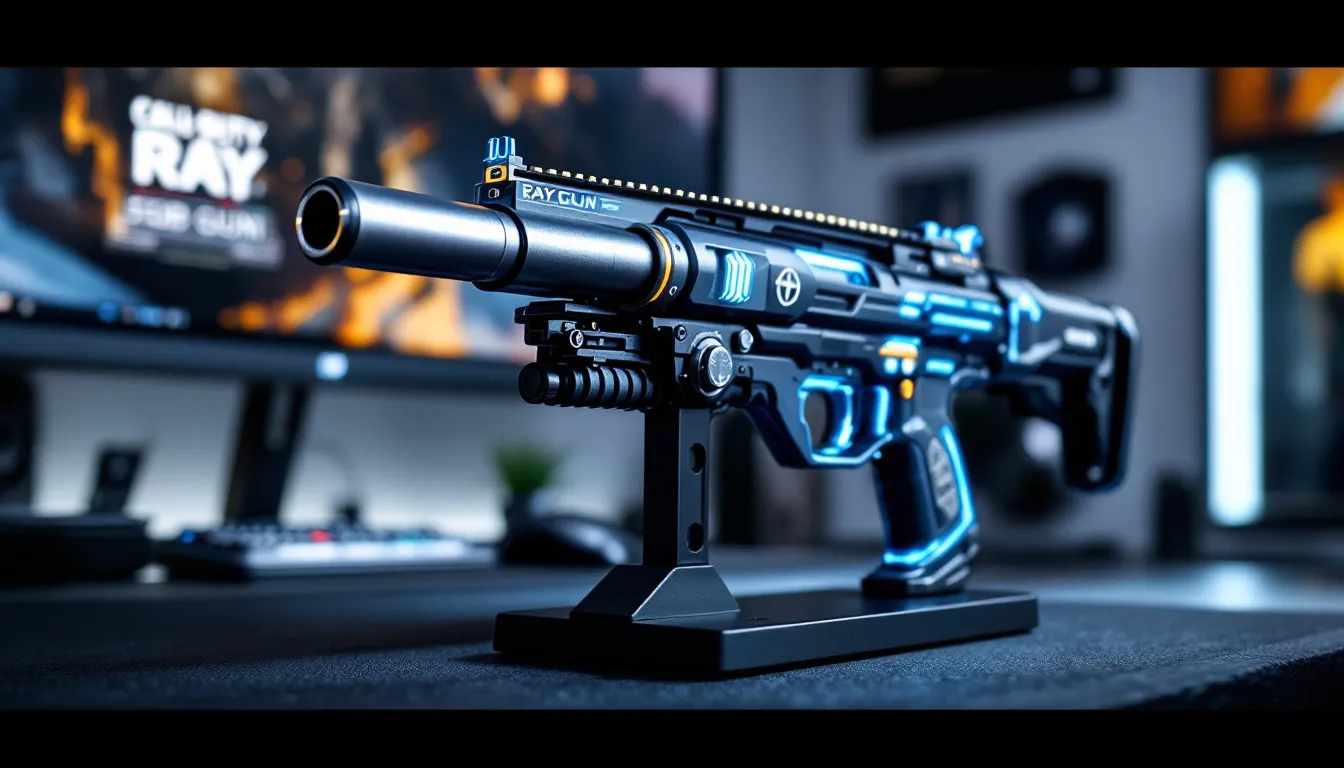
Compare the replica against gameplay footage or high-resolution screenshots. The barrel length, muzzle design, and the distinctive scope or sight on top should be proportionally correct. Paint detailing is crucial, the original Ray Gun has metallic silver sections, glowing blue accents, and specific decal placement. Cheap knockoffs often get these details wrong, resulting in an off-looking weapon that doesn’t capture the magic.
If you’re picky (and most serious collectors are), ask the seller for multiple angles of photos before committing. Don’t settle for single promotional shots, see how it looks from different sides.
Light And Sound Effects
Many modern replicas include LED lighting to mimic the Ray Gun’s in-game glow. Quality LED installations feature realistic blue or green illumination and are wired with reliable switches and battery compartments. Some high-end versions even include sound effects, firing noises or the distinctive “ping” when the Ray Gun hits enemies in-game.
Lights and sounds are cool features but can be gimmicky if poorly executed. Bright LEDs that flicker or inconsistent sound quality cheapen the experience. If lights or sounds are advertised, verify with photos and reviews that the implementation looks professional. Some collectors actually prefer replica replicas without electronics for pure aesthetic display.
Display And Storage Considerations
Think about where this replica will live. Wall mounts require secure hardware and stable placement to prevent falls. A Ray Gun replica might weigh anywhere from 2 pounds (for hollow plastic versions) to 10+ pounds (for die-cast models). Your wall needs to support that weight safely.
For shelf display, consider dust accumulation. Glossy finishes show dust easily, so a display case might be worth the investment. Temperature and humidity matter too, extreme swings cause paint to crack or warp plastic. Store your replica away from direct sunlight to prevent fading. If you’re serious about preservation, a climate-controlled display case keeps your investment protected.
Where To Buy Call Of Duty Ray Gun Replicas
Official Retail Partners And Licensed Sellers
Activision occasionally releases official Ray Gun replicas through major retailers. GameStop, Hot Topic, and Amazon have carried licensed versions. These are the safest purchases, guaranteed authentic, proper returns policies, and no risk of counterfeit products.
Check the official Call of Duty website for merchandise partnerships. Some collaborations are seasonal or limited-run, so official stock runs out fast. Following gaming merchandise accounts on social media alerts you to new releases before they sell out.
Online Marketplaces And Gaming Specialty Stores
Specialty retailers like Entertainment Earth, BigBadToyStore, and gaming-focused stores stock collectible Ray Gun replicas from licensed manufacturers. These sites curate their inventory and typically vet sellers, so quality is more reliable than general marketplaces.
Amazon has both official and third-party seller Ray Gun replicas. Read reviews carefully, one-off sellers mixing in replicas alongside knockoffs are common. Filter by “Prime” status and verified seller ratings to reduce risk. The Loadout regularly covers gaming merchandise and collectibles, including occasional reviews of Ray Gun replicas that might point you toward reputable retailers.
Etsy And Custom Creator Platforms
Etsy is the hub for independent replica makers. Sellers range from hobbyists with 100 reviews to established custom prop studios with thousands of satisfied customers. Search “Ray Gun replica” and sort by reviews and recent sales.
Direct message sellers before committing. Ask for detailed photos, clarify if the replica is pre-made or custom-built (custom takes longer), and understand their return policy. Reputable Etsy creators provide in-progress photos, detailed measurements, and clear shipping timelines. Avoid sellers who lack reviews or have vague product descriptions. Payment through Etsy’s platform offers buyer protection if something goes wrong.
Pricing, Value, And Investment Potential
Price Ranges By Replica Type
Budget replicas run $30–$80. These are typically 3D-printed or basic injection-molded versions with minimal detail work. They look decent from a distance but won’t withstand close inspection. Ideal if you want something fun without financial risk.
Mid-tier replicas cost $80–$200. This range includes quality fan-made versions, some licensed small-batch productions, and well-detailed 3D-printed kits with professional finishing. Most buyers find their sweet spot here, decent quality, reasonable cost, and authentic-looking results.
Premium and collector-grade replicas run $200–$500+. These feature die-cast components, professional paint applications, functional electronics, and often come from established manufacturers or legendary custom builders. Limited editions or artist-signed pieces can exceed $500.
Official licensed replicas fluctuate based on availability. When they’re in stock, they’re typically $100–$300. Retired official versions become investment pieces, sometimes selling for double or triple retail on secondary markets.
Long-Term Collector Value And Resale Market
Unlike digital cosmetics that disappear when a game shuts down, physical replicas retain value, sometimes they appreciate. Official licensed Ray Gun replicas from the early 2010s now command premium prices because they’re out of print and demand is stable.
Condition is everything in the resale market. Mint-in-box (MIB) replicas fetch significantly more than used or opened versions. Dust, paint wear, and handling all reduce value. Serious collectors who plan to eventually resell keep replicas in display cases, avoid touching them unnecessarily, and preserve original packaging.
Fan-made and custom replicas appreciate differently. A renowned artist’s Ray Gun replica might become a portfolio piece that increases in value as the creator’s reputation grows. Conversely, generic 3D-printed versions hold little resale value, they’re not scarce, so the secondary market doesn’t drive prices up.
If you’re treating this as an investment, prioritize official licensed versions and limited-run collector’s items. Generic affordable replicas are for personal enjoyment, not financial return. Check eBay’s “sold” listings to see what Ray Gun replicas actually sell for, that’s your real market value, not asking prices.
Display Tips And Care Guide For Your Ray Gun Replica
Best Practices For Preservation
Temperature stability is critical. Avoid spaces that cycle between hot and cold, your replica will expand and contract, causing paint cracking and warping. A climate-controlled room away from windows is ideal. Never store in basements prone to moisture or attics with temperature extremes.
UV light degrades paint and plastic. Direct sunlight fades colors within months. If displaying on open shelves, use soft backlighting (LED strips) instead of harsh overhead lights. UV-filtering display cases are worth the investment for premium replicas.
Dust accumulation happens fast. Use microfiber cloths and gentle cleaning only. Never use harsh chemicals or aggressive scrubbing, you’ll scratch paint. If the replica gets dusty, a soft brush or compressed air removes debris safely. Avoid touching painted areas unnecessarily: skin oils break down finishes over time.
Store original packaging and documentation. Boxes, certificates of authenticity, and receipts all add to resale value if you ever sell. Keep these in a separate, dry location.
Setup And Lighting Ideas For Showcasing Your Collection
Wall mounting transforms a replica into a centerpiece. Use museum-quality wall mounts designed for props, they distribute weight safely and look professional. Position the Ray Gun at eye level or slightly above for optimal viewing. A 2–3 inch separation from the wall creates depth and makes it stand out visually.
Lighting is everything. Focused spotlights or adjustable track lighting highlights the replica’s details without washing out colors. Cool-toned LEDs (5000K–6500K color temperature) mimic studio lighting and make the Ray Gun pop. Warm lighting (3000K) adds ambiance but can muddy the colors.
Context matters too. A Ray Gun replica surrounded by Call of Duty posters, gaming peripherals, or a full collectible display looks intentional and thematic. A lone Ray Gun on a random shelf feels isolated. Create a cohesive gaming corner, your replica becomes the crown jewel.
For desk displays, use clear acrylic risers or angled stands to add height and visibility. This prevents the replica from being visually lost among monitors and peripherals. Some builders create custom display stands with LED base lighting, the replica floats above the stand, creating a premium gallery effect. If you’re skilled with Call of Duty accessories, you might even commission a custom stand that matches your setup’s aesthetic. Consider a glass or acrylic display case to keep dust off while maintaining visibility. Sealed cases also regulate microclimate, humidity stays consistent, protecting your investment.
Conclusion
A Call of Duty Ray Gun replica is more than a novelty purchase, it’s a statement that you’re part of a gaming legacy that spans nearly two decades. Whether you grab a $50 fan-made version or invest in a premium collector’s piece, the goal is the same: to own a tangible connection to one of gaming’s most iconic weapons.
Your decision eventually depends on three factors: budget, intended use (display versus handling), and how much accuracy matters to you. A casual fan might thrive with an affordable 3D-printed replica painted to spec. A serious collector hunting resale potential should target official licensed versions. Someone building a complete gaming setup might benefit from a mid-tier option that balances quality and cost.
The 2026 market for Ray Gun replicas is healthier than ever. More creators are entering the space, options range from dirt-cheap to museum-quality, and the community actively shares knowledge about what’s worth buying. Take time researching specific sellers, comparing photos, and reading reviews. Your future self, and your replica, will thank you for doing due diligence now. Once you’ve found the right piece and displayed it in your space, you’ll understand why collectors get so passionate about owning these physical pieces of Call of Duty history.