The moment you see that Call of Duty: Black Ops cover art, something clicks. There’s a reason the original Black Ops box became the visual standard that launched a thousand franchise imitators, it nailed the formula for minimalist intensity, psychological impact, and pure gaming credibility. From Alex Mason’s haunting gaze to the evolving aesthetics of Cold War’s nostalgic redesign, Black Ops cover art has consistently defined not just the game’s identity, but the entire tone of competitive first-person shooters. This guide explores how Treyarch and Activision crafted some of gaming’s most recognizable and influential cover art, the design choices that make these visuals instantly memorable, and why collectors still obsess over regional variants and special editions. Whether you’re hunting for a specific steelbook or just curious about why these covers hit differently than other FPS franchises, we’re diving into everything that makes Black Ops artwork legendary.
Table of Contents
ToggleKey Takeaways
- Call of Duty Black Ops cover art pioneered a minimalist, protagonist-focused design philosophy that became the industry standard for serious FPS franchises, with Alex Mason’s iconic face establishing character-driven visual storytelling over action-heavy compositions.
- The strategic use of restricted color palettes, professional photography, and bold typography creates psychological impact and memorability, making Black Ops covers instantly recognizable while aging better than trend-dependent alternatives.
- Regional variations, steelbook innovations, and collector’s editions demonstrate how Black Ops cover design adapted to different markets and audiences while maintaining core visual identity, creating genuine collector value beyond gameplay.
- The Black Ops cover design philosophy influenced how studios prioritize campaign protagonists and narrative, proving that restrained, intentional design communicates professionalism and premium quality more effectively than decorative complexity.
- Cold War’s return to Mason and analog-era aesthetics proved that nostalgia executed with real design thinking still resonates with mature gamers, establishing Call of Duty Black Ops as a cultural touchstone across generations.
The Original Black Ops Cover: Design And Impact
Alex Mason And The Birth Of An Iconic Protagonist
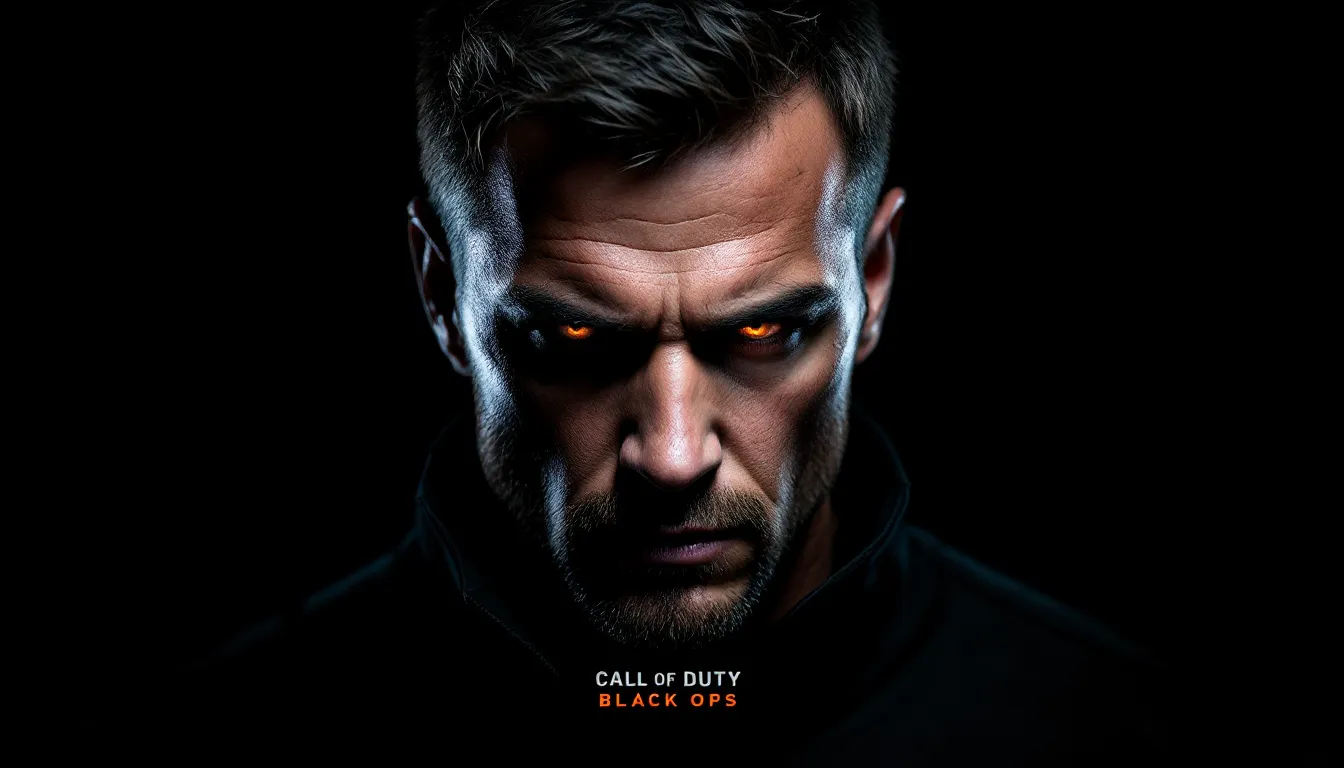
When Call of Duty: Black Ops launched in November 2010, the franchise was already massive, but the cover art established something new: a face. Alex Mason, the protagonist voiced by Sam Worthington, stared directly at the camera with an intensity that demanded attention. Unlike the previous Modern Warfare covers featuring military insignia and action-heavy compositions, Black Ops centered on a single character, bloodied, focused, unflinching. This wasn’t just marketing: it was character-driven storytelling told through visual design.
The choice to foreground Mason’s face was deliberate psychology. Gamers connected with a named protagonist in a way they didn’t with generic soldiers, and the cover reflected that shift. The red accents around his eye, a callback to the campaign’s themes of experimentation and control, created visual intrigue without spelling out the plot. First-time buyers couldn’t immediately understand why the character looked bruised or what the red meant, and that ambiguity pulled them in.
Mason’s blank, thousand-yard stare became iconic fast. Fan art, memes, and community discussions cemented his image as the face of Black Ops before most people finished the campaign. The cover didn’t hype the action: it hinted at something darker, more personal, and that restraint made it more powerful.
Minimalist Design Philosophy And Visual Identity
Less is definitely more on the Black Ops cover. The background is essentially nonexistent, dark, almost black, with minimal environmental detail. Mason fills the frame, and there’s nowhere to look but at him. This design philosophy rejected the cluttered approach of competitor covers plastered with explosions, vehicles, and secondary characters.
The typography is bold but clean. “CALL OF DUTY” appears in a military-style sans-serif, and “BLACK OPS” sits below in a heavier weight. No fancy gradients, no glossy effects, just solid text that commands presence. The overall composition mirrors minimalist movie posters and premium packaging design, elevating the game’s perceived quality before anyone even opened the case.
This restraint worked because it contrasted perfectly with the franchise’s scale. Instead of screaming “action,” the cover whispered intent. Collectors and competitive players respected that maturity. The design also aged better than flashier alternatives: six years later, the cover still looked contemporary rather than dated, which is rare in gaming.
The minimalist approach became the Black Ops visual standard. Every subsequent title in the subseries maintained this philosophy, protagonist-focused, dark backgrounds, bold text, proving that Treyarch understood the power of consistency. Gamers knew what to expect when they saw that aesthetic, which mattered in an era of annual franchise releases fighting for shelf space.
Evolution Of The Black Ops Franchise Covers
Black Ops II And The Shift To Futuristic Aesthetics
Call of Duty: Black Ops II arrived in 2012 with a cover that split the difference between the original’s restraint and future-tech aesthetics. Protagonist David Mason (Alex’s son) appeared alongside his father, creating a visual narrative about legacy and time. The dual-protagonist approach was bold, it acknowledged the campaign’s dual timeline structure while maintaining the minimalist philosophy.
The color palette shifted noticeably. While the original used cool reds and blacks, Black Ops II introduced cyan and neon blue accents, signaling the futuristic 2025 setting. These weren’t random choices: they communicated the game’s narrative progression from Cold War espionage to near-future warfare. The design team understood that cover art had to summarize the game’s identity in seconds.
Technology integration appeared more prominently. Cyber elements, digital distortions, and holographic effects subtly hinted at the game’s advanced tech without overwhelming the composition. This visual evolution kept the Black Ops brand fresh while maintaining recognition, players instantly knew this was a Black Ops sequel, but something had changed.
Black Ops III, IV, And Beyond: Modern Era Covers
By Black Ops III (2015) and Black Ops IV (2018), the covers embraced full speculative fiction. Black Ops III featured a cyborg soldier with glowing eyes and technologically enhanced armor, a dramatic shift from human-focused portraiture. The background remained dark, maintaining visual consistency, but the protagonist’s augmented nature communicated the game’s cyberpunk tone.
Black Ops IV took a different approach, featuring multiple operators in tactical gear against dark, moody backgrounds. This reflected the game’s shift toward operator-focused gameplay with no traditional campaign (a controversial decision that the cover art couldn’t quite hide). The cover featured Scarlett Rhodes prominently, a female operator, which was notable in 2018. While the design remained quality, some longtime fans felt the operator-centric approach diluted the character-driven storytelling that made the original cover special.
The color palettes evolved too. Blues transitioned to deeper purples and darker teals, creating moody, premium aesthetics that matched modern console design trends. These covers looked at home next to PS4 and Xbox One libraries because they reflected contemporary design thinking rather than chasing 2010s militarism.
Cold War Cover Art And Nostalgic Resurgence
Call of Duty: Black Ops, Cold War (2020) marked a deliberate return to the original’s visual language, though updated for modern sensibilities. The cover featured Alex Mason again, older, worn, but unmistakably the character who defined the original. This wasn’t accidental nostalgia: it was a statement that Cold War was returning to Black Ops’ roots thematically and aesthetically.
The design incorporated grain, texture, and analog-era printing techniques reminiscent of Cold War-era propaganda posters. Film grain, slight color banding, and muted tones gave the cover a vintage authenticity that digital-native covers couldn’t replicate. It was a masterclass in using design language to communicate narrative tone, before players knew anything about the plot, the cover promised espionage, conspiracy, and historical weight.
Mason’s presence on the Cold War cover was a declaration. Treyarch was saying, “This isn’t a spinoff: this is Black Ops.” The design choices backed that claim with deliberate visual callbacks. Fans who owned the original immediately understood the positioning, and the cover’s success proved that nostalgia, when executed with real design thinking, still resonates with hardened gamers who reject obvious marketing.
Design Elements That Define Black Ops Covers
Color Palettes And Psychological Impact
Color on a video game cover isn’t decoration, it’s psychology applied to cardboard. Black Ops pioneered the use of restricted color palettes to communicate intensity. The original relied on black, skin tones, and strategic red accents. This limitation forced every color choice to mean something.
Red on the Black Ops cover appeared around Mason’s eyes, suggesting violence, pain, or the neural implants referenced in the campaign. Designers call this color isolation, using a single accent color against a neutral background to create irresistible visual focus. Gaming covers filled with rainbow color schemes blur together on store shelves: Black Ops cuts through that noise.
Later entries experimented with cool color temperature using blues and cyans. These colors communicate technology, distance, and coldness, perfect for near-future Black Ops settings. Warm colors appear rarely, which is intentional: Black Ops positions itself as serious, tactical, and psychologically intense rather than fun or lighthearted. The color psychology works subconsciously on potential buyers.
The trend toward desaturated, film-noir palettes in Cold War reflected conscious design toward premium perception. Low saturation colors feel “serious” and “artistic” to consumer psychology. Bright neon would look cheap: muted, period-accurate tones suggest craftsmanship. This explains why Cold War’s cover design influenced how the game presented itself across marketing channels.
Typography And Branding Consistency
The Black Ops typeface is unmistakable. Bold, military-influenced sans-serif lettering conveys authority and confidence. Unlike other franchises that refresh their logo every few years, Black Ops maintains consistent typography across generations. This consistency builds brand recognition faster than gameplay footage or trailers.
Weight variation is crucial too. “CALL OF DUTY” appears heavy and dominant, while “BLACK OPS” uses slightly different proportions to create visual hierarchy. Players recognize the branding in silhouette, that’s the sign of effective typographic design. Walk into a gaming store, and the Black Ops text identifies itself from distance.
Text placement follows the golden ratio and compositional balance principles. Elements don’t feel randomly positioned: the eye travels naturally from protagonist to title to publisher branding. This isn’t flashy, but it’s professional, exactly what AAA gaming expects.
The consistency of typography across the entire Black Ops subseries creates a visual ecosystem. Own three Black Ops games, and they sit on a shelf communicating unified identity even though platform or release year differences. That coherence is why collectors value complete Black Ops sets: the covers tell a visual story about franchise evolution.
Photography And Character Portrayal Techniques
The Black Ops covers rely on professional photography or photorealistic rendering of characters. The original featured detailed, high-resolution imaging of Mason’s face with visible texture, stubble, scars, skin imperfections. This realism made him feel like an actual person rather than a video game character, which elevated the perceived quality.
Lighting techniques on Black Ops covers follow dramatic, low-key studio photography principles. Side lighting creates shadows that add dimension to faces, making two-dimensional covers feel sculptural and three-dimensional. This technical execution separates premium covers from budget alternatives.
Character expression matters enormously. Mason’s blank, forward stare communicates confidence without arrogance. David Mason’s expression carries inherited stoicism but with a hint of doubt, perfect for a protagonist inheriting his father’s legacy. These aren’t accident: professional photographers directed emotion specifically for cover viability.
Background blur and focus techniques use depth of field to make characters pop against dark environments. The protagonist stays razor-sharp while backgrounds become impressionistic, a technique that draws the eye exactly where designers intended. This photographic sophistication, which costs real money to execute properly, signals that Black Ops is a premium product.
Regional Variations And International Cover Art
How Different Markets Influenced Cover Design
Black Ops covers vary significantly across regions, and these aren’t random marketing decisions, they reflect cultural differences in gaming perception and purchasing behavior. The North American cover features Alex Mason’s intense, forward-facing portrait, emphasizing individual heroism and protagonist-driven storytelling. This aligns with Western marketing’s preference for character focus and personal narrative.
European releases sometimes featured alternate compositions, occasionally including environmental elements or different color treatments. Markets like Germany and UK had stricter content regulations affecting how violence and military imagery could be portrayed, so cover designs sometimes shifted tone or focus to navigate these guidelines. Designers don’t discuss this adjustment process publicly, but collectors familiar with regional variants know these differences exist.
Japanese releases of Black Ops took distinctly different approaches. Japanese gaming culture has different associations with military imagery, espionage, and psychological themes. Cover designs reflected these differences while maintaining core branding. These regional variants became collector’s items because they represented alternative creative visions of the same game.
The Chinese market presented unique challenges due to content restrictions around military themes and modern warfare. Cover designs for mainland Chinese releases often featured less militaristic imagery and sometimes alternative character framing. These versions are rare in Western markets and highly sought by international collectors.
Australian and other region-specific releases sometimes featured classification ratings prominent in cover design based on local requirements. The Australian Classification Board’s decisions affected how games were marketed visually in that territory, sometimes resulting in unique cover variations.
Korean releases of Black Ops occasionally featured different typography and imagery due to cultural preferences for certain visual styles and design principles. The competitive esports scene in Korea influenced how Black Ops was positioned visually, covers sometimes emphasized competitive multiplayer over narrative campaign.
These regional variations tell a story about how global gaming companies balance international markets while maintaining franchise identity. Collectors who track regional releases understand that Black Ops cover design wasn’t monolithic, it was adapted, negotiated, and reimagined for different audiences while maintaining core visual philosophy.
Collector’s Editions And Special Artwork Variants
Limited Edition Releases And Their Designs
Black Ops launched with multiple Collector’s Editions featuring exclusive cover designs and packaging. The “First Edition” releases used different cover treatments than standard versions, often featuring embossed elements, metallic inks, and die-cut designs. These weren’t just cosmetic changes: they communicated exclusivity and premium quality to collectors.
The original Black Ops had a particularly sought-after collector’s edition featuring exclusive Mason artwork with holographic elements. The cover shifted and changed depending on viewing angle, a gimmick, sure, but one that made collectors handle the cover repeatedly, creating memorable interaction. This is deliberate: premium packaging companies understand that tactile experiences stick in memory longer than visual ones.
Pre-order editions from different retailers featured exclusive cover variations. Best Buy, GameStop, and Amazon releases sometimes came with alt-art covers or special packaging. These variants created artificial scarcity and encouraged multiple purchases from hardcore fans. A casual player bought one copy: a completionist bought three, tracking down each retail exclusive.
Black Ops Cold War took collector editions further with premium metal cases, art books, and replica props. The cover art appeared in multiple finishes, matte, glossy, textured, allowing collectors to choose aesthetic preferences. This flexibility acknowledged that serious collectors had specific tastes and weren’t a monolith.
Limited runs of signed cover art from the original game’s team surfaced at esports events and through official channels, creating another collector category. These signed editions command substantial prices in secondary markets because they bridge gameplay fandom with art collecting.
Steelbook And Premium Packaging Innovations
Steelbooks became the premium format for Black Ops releases. These metal cases replaced plastic cases, communicating durability and perceived value. The steelbook versions of Black Ops titles feature exclusive cover designs, sometimes featuring alternative character poses, color schemes, or artistic interpretations unavailable in standard releases.
Steelbook designs often push artistic boundaries beyond what standard cases allow. Metallic inks look different on metal substrates than cardboard: designers leverage this, creating covers that literally shine and reflect light in ways cardboard can’t. Holding a Black Ops steelbook feels different from holding standard cases, which is entirely intentional.
The reversible cover format appeared in later Black Ops releases, allowing collectors to display their preferred version. Black Ops IV’s steelbook offered both character-focused and operator-focused artwork, letting collectors customize their shelf display. This innovation acknowledged that Black Ops fandom was mature and discerning enough to appreciate creative choice.
Some steelbooks featured numbered editions out of limited runs, 500 copies, 1000 copies, each stamped with sequential numbering. This artificial scarcity drives collector behavior: owning #47 of 500 feels more valuable than owning an unlimited copy, even if gameplay is identical.
Premium packaging extended to digipak formats in certain releases, where cover art wrapped around and opened like a book. These required custom design thinking because the cover had to work as closed cardboard and as an unfolding experience. The best designs revealed different imagery when opened, rewarding collectors who engaged with the physical object beyond display.
Prestigious gaming outlets like Game Informer have covered collector’s edition trends, noting that premium packaging and exclusive covers drive significant collector revenue. The Black Ops franchise understood this market early, releasing multiple tiers of physical editions that justified premium pricing through superior design and materials. This model influenced how other franchises approached collector offerings in subsequent years.
The Cultural Legacy Of Black Ops Cover Art
Influence On Gaming Industry Visual Standards
Black Ops didn’t invent cover art, but it established a new standard for how serious FPS franchises should present themselves visually. The protagonist-focused, minimalist approach became industry shorthand for “mature military shooter.” Competitors immediately copied the formula, dark backgrounds, centered character, bold typography, because Black Ops proved it sold copies.
Franchises like Battlefield and later Call of Duty Modern Warfare adapted similar visual language, though none achieved the iconic status of the original Black Ops cover. This is important: Black Ops didn’t just create a trend: it created a benchmark. Gaming media and community analysis frequently reference Black Ops cover design when discussing what makes effective game packaging.
The emphasis on character portrayal over action imagery influenced how studios thought about protagonists. Before Black Ops, FPS campaigns were often afterthoughts to multiplayer: prominent cover art featuring the campaign protagonist signaled that narrative mattered. This shifted how major franchises allocated development resources toward campaign storytelling.
Design schools and esports organizations have used Black Ops covers as case studies in effective branding and visual communication. The simplicity that makes the cover powerful, no unnecessary elements, every design choice serving function, taught an entire generation of designers that restraint beats decoration.
AA and indie studios emulated Black Ops’ cover philosophy because it was cost-effective. You didn’t need elaborate 3D scenes or complex compositions: a well-lit character portrait and bold typography could communicate professionalism. This democratized premium-looking cover design, raising the baseline quality across gaming.
Memorability And Fan Appreciation Across Generations
Ask competitive gamers which gaming covers they remember, and Black Ops appears frequently. This memorability premium is quantifiable in collector markets: original Black Ops copies command prices significantly higher than mechanically identical later releases, partly due to cover nostalgia.
The Black Ops cover became a cultural touchstone for gamers who came of age between 2010-2015. It carries genuine emotional weight for that generation, not just as packaging, but as a symbol of a specific era in competitive gaming. This is the power of good design: it transcends function and becomes meaning.
Fan art, YouTube thumbnails, esports team branding, and community discussions frequently reference Black Ops cover imagery. The designs are recognizable in silhouette, in partial form, in parody, they’ve achieved the kind of penetration usually reserved for major film or music brands.
Longtime fans express genuine appreciation for Black Ops cover evolution. Conversations about Cold War’s return to roots and its visual design reflect sophisticated understanding of how cover art communicates franchise identity. This isn’t casual fandom: this is enthusiast-level engagement with design and branding.
Redditors and gaming forums maintain extensive collections of Black Ops cover variants, regional versions, and special editions. These communities treat covers as legitimate collecting subjects worthy of discussion and curation, not peripheral merchandise, but meaningful cultural artifacts. The attention to detail in these communities (noting printing variations, ink differences, regional text variations) demonstrates that good design earns fervent appreciation.
Young gamers discovering Black Ops through backward compatibility or streaming still respond to the cover’s intensity. It hasn’t dated because the design principles are timeless rather than trend-dependent. This longevity, the rarest quality in commercial design, proves that Black Ops understood visual communication fundamentally. The cover art transcends its original 2010 context and remains visually relevant to contemporary gamers, which is a testament to the original creative vision.
Conclusion
Call of Duty Black Ops cover art represents one of gaming’s most successful visual identity decisions. From Alex Mason’s unforgettable introduction through Cold War’s nostalgic resurgence, these covers accomplished what great design does: they communicated franchise identity instantly, aged better than trend-chasing alternatives, and created genuine collector value beyond gameplay quality.
The design philosophy, minimalist, character-driven, psychologically deliberate, influenced how an entire industry approaches cover art for serious franchises. Whether through regional variations that adapted to different markets, steelbook innovations that rewarded physical collectors, or the elegant restraint of typography and color, every Black Ops cover made intentional choices that served the player first and marketing second.
What makes Black Ops covers exceptional isn’t that they broke new ground: it’s that they executed established principles flawlessly. They prove that gaming design matured beyond flashy decoration toward sophisticated visual communication. Players and collectors still engage with these covers with genuine enthusiasm because the design earned that respect through consistency, quality, and strategic restraint.
For anyone tracking gaming history, collecting physical media, or studying franchise design, Black Ops covers deserve the same critical attention as film posters or album artwork. They’re not peripheral: they’re part of what made the Black Ops franchise endure. The next time you see that iconic cover in a collection or secondhand gaming store, remember: someone designed every pixel deliberately. That intention shows, and it’s why Black Ops remains a visual standard the industry still chases.