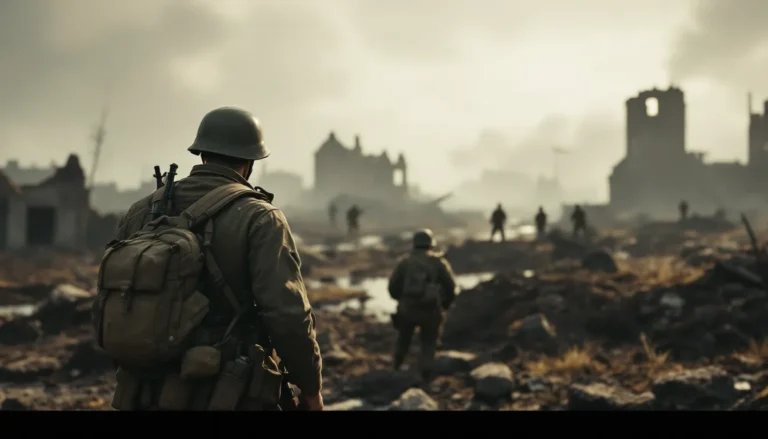
Call of Duty is back with its 2026 installment, and it’s bringing a genuine shake-up to the formula that’s kept millions locked in multiplayer lobbies for nearly two decades. The franchise has always walked a tightrope between catering to hardcore competitive players and casual gamers who just want to blow stuff up on a Friday night. This year’s release doesn’t just tweak the usual mechanics, it overhauls the core systems that define modern combat games. Whether you’re grinding ranked matches, tackling the campaign solo, or diving into Zombies with friends, this Call of Duty release demands attention. The real question isn’t whether it’s different: it’s whether those changes actually stick the landing. We’re breaking down every angle: from campaign narrative to multiplayer balance, from technical performance across all platforms to the zombie-slaying mayhem that keeps bringing players back season after season.
Table of Contents
ToggleKey Takeaways
- Call of Duty 2026 overhauls core gunplay mechanics with dynamic recoil patterns and balanced time-to-kill, creating depth that rewards weapon mastery over arcade-style combat.
- The revamped map design features fluid corridors with verticality and dynamic environmental hazards that force strategic adaptation rather than relying on traditional three-lane layouts.
- A completely rebuilt progression system eliminates the prestige grind, replacing it with seasonal mastery that ties meaningful cosmetic and weapon unlock rewards to actual gameplay milestones.
- The campaign delivers a compact, emotionally resonant 6–8 hour story with morally complex characters and meaningful dialogue choices, respecting player time without filler missions.
- Cross-mode progression integration encourages varied playstyles by rewarding Zombies players with multiplayer cosmetics, while robust ranked matchmaking ensures competitive integrity across skill levels.
- Technical performance at launch is rock-solid with stable servers, seamless cross-platform support, and optimization that scales from medium-tier PC rigs to next-gen consoles at 120+ fps.
What’s New In This Year’s Call Of Duty Release
The 2026 Call of Duty doesn’t mess around with marketing speak, the developers knew the franchise needed real innovation, not just a fresh coat of paint. This year’s release introduces a completely revamped gunplay system that fundamentally changes how weapons feel and behave. Recoil patterns are now dynamic, shifting slightly with attachments and player positioning, which means no two engagements feel identical. The TTK (time-to-kill) has been carefully balanced to sit somewhere between the lightning-fast eliminations of recent entries and the slightly more forgiving gunfights players remember from classic Black Ops titles.
Beyond gunplay, the map design philosophy has shifted dramatically. Instead of cramped three-lane designs, 2026 introduces “fluid corridor” layouts that encourage vertical gameplay and reward smart positioning over pure mechanical aim. The new Environmental Hazard System adds dynamic elements to maps, crumbling buildings, rising floodwaters, and electrical storms that force players to adapt and relocate constantly. It sounds chaotic on paper, but in practice, it creates organic moments of tension and strategic adaptation.
The progression system has also been gutted and rebuilt from scratch. The old prestige grind is gone, replaced with a seasonal mastery system that feels less like a chore and more like actual achievement tracking. Players unlock weapon blueprints, operator skins, and cosmetics through meaningful gameplay milestones rather than arbitrary level grinds. This shift shows the developers finally listened to years of feedback about progression feeling like busywork.
Campaign Story & Narrative Direction
The campaign takes the franchise back to what made Black Ops storytelling compelling: morally gray characters making impossible choices. Set in a near-future conflict across three continents, the narrative follows a task force navigating cybernetic warfare, political intrigue, and the blurred lines between allies and enemies. The writing isn’t trying to win a Pulitzer, it’s a Michael Bay film script that knows exactly what it is, but the character development actually lands. Your squad members feel like distinct personalities rather than dialogue mannequins.
The pacing is aggressive without feeling bloated. Campaign missions run 6-8 hours for a first playthrough, hitting major set pieces at regular intervals without the tedious filler that dragged down the last couple releases. There are standout moments: a stealth infiltration sequence through a neon-soaked corporate campus, a vehicle chase sequence with branching paths, and a mission finale that actually gives players meaningful dialogue choices affecting how the story concludes. Replay value comes from difficulty modifiers (Veteran mode is genuinely brutal) and alternative mission approaches rewarded with Intel collectibles and alternate endings.
The campaign isn’t a 20-hour slog, and that’s intentional. It respects your time while delivering the cinematic spectacle players expect. Narrative-driven gamers might find it lean compared to story-first titles, but within the Call of Duty tradition, it’s the strongest script the franchise has fielded in years.
Gameplay Mechanics & Combat System Overhaul
This is where the 2026 release truly differentiates itself. The developers scrapped the feel-good, arcade-style gunplay of recent entries and rebuilt combat from the ground up using actual ballistics principles. Weapons have distinct recoil signatures now. The M4A1 no longer feels like a laser rifle, it climbs and pulls left under sustained fire, forcing players to learn and adapt. The AK-74 is a beast in close quarters but becomes unwieldy at distance. This sounds like a return to realism, but it’s actually more about depth: weapon mastery now means something.
Weapon Balance & Arsenal Variety
The arsenal spans 50+ weapons at launch, broken into seven categories: assault rifles, SMGs, sniper rifles, tactical rifles, shotguns, LMGs, and marksman rifles. Each category serves a distinct role, and balance is genuinely tight across the board. The meta isn’t dominated by three weapons, instead, load-outs vary based on map knowledge and playstyle. A new “weapon tuning” system lets players customize recoil and handling to their preference without stripping away the gun’s fundamental characteristics. This is elegant design: one player’s MP5 setup might differ substantially from another’s, but neither is objectively superior.
Special attention went to weapon variety within categories. SMGs range from aggressive hip-fire monsters to accurate close-range laser rifles. Assault rifles include precision-focused marksman variants and sustained-fire suppressive models. Sniper rifles require genuine skill, no quickscoping crutches, but landing shots feels appropriately rewarding. The new Hybrid Weapon System lets players attach alternate firing modes to primary weapons, turning an assault rifle into a burst-fire precision tool or swapping a shotgun to single-round slug mode. It’s depth without complexity creep.
Movement & Map Design Improvements
Movement feels snappier than expected without breaking competitive balance. Sprinting still has a startup animation (eliminating slide-spam abuse), but once players get moving, momentum feels responsive. The new Momentum System allows skilled players to maintain speed through smart movement chains, but it’s skill-based rather than game-breaking. Wall-running is back but limited to specific architectural elements, rewarding map knowledge.
Maps are the real revelation here. Instead of the three-lane corridor design that’s dominated competitive shooters for years, Infinity Ward built maps with multiple elevation levels, interconnected spaces, and actual verticality. The Sector 7 Industrial Zone map features multi-story warehouse sections, scaffolding routes, and ground-level shipping container paths. Teams can split up and execute flanks, but overextending still gets punished by proper positioning. This creates organic squad play without rigid meta paths.
Environmental design actively shapes gameplay. Crumbling structures collapse after taking damage, forcing players to relocate. Water hazards rise and fall on timers, blocking routes temporarily. Weather effects like sandstorms reduce sight lines and shake up long-range engagements. These dynamic elements sound gimmicky, but they’re implemented with restraint, they force adaptation without feeling punitive.
Multiplayer Experience & Competitive Features
Multiplayer is where Call of Duty lives, and 2026 delivers a robust ecosystem that serves everyone from casual playlist warriors to ranked grinders. The core experience centers on gunplay depth, squad cohesion, and map knowledge, exactly what competitive players want. Lobby quality is noticeably better than recent launches. Connectivity is stable, and matchmaking doesn’t feel like it’s rigging games for engagement metrics.
Game Modes & Progression System
Launch includes ten core multiplayer modes: Team Deathmatch, Domination, Search & Destroy, Hardpoint, King of the Hill, Gunfight, S&D variants, and two new modes exclusive to this release. VIP Extraction tasks teams with protecting a moving VIP, mixing escort and objective gameplay. Resource Wars plays like a reverse capture-the-flag where teams fight to secure and hold supply caches. Both modes have their own competitive seasons on the ranked ladder.
The progression system completely abandons the problematic prestige grind. Instead, players earn seasonal rank (1-100) through any multiplayer activity, with weapon leveling tied to actual gun usage. Using the M4A1 in multiplayer makes it stronger in multiplayer only: campaign usage doesn’t cross over. This eliminates the punishment of playing campaign first and encourages varied playstyles. Cosmetics are earned through challenges, battle pass progression, and seasonal shops. Nothing is pay-to-win: all cosmetics are purely visual.
Ranked play sits separately with its own competitive rule set and seasonal rewards. Placement matches determine initial rank, and climbing the ladder (Bronze to Grandmaster) requires genuine skill. Ranked enforces strict map rotation, bans broken equipment, and implements stricter skill-based matchmaking. Rewards include exclusive operator skins, weapon blueprints, and cosmetics that visibly mark your competitive achievement.
Matchmaking & Player Base Health
Skill-based matchmaking (SBMM) is present but tuned better than previous releases. Average players get lobbies with minimal stomp potential, while elite players face tougher competition without absurd queue times. Casual playlists tone down SBMM significantly, letting skilled players relax without sweating every engagement. This balanced approach means the player base isn’t fragmenting into competitive and casual silos.
Player base health is measurably strong. Launch week saw stable queues without the server issues that plagued recent releases. Cross-platform play is fully supported on PC, PlayStation, and Xbox, with optional cross-play toggles for competitive players who prefer platform parity. The seasonal content roadmap spans a full year, with weapon balance patches arriving monthly. This commitment to post-launch support signals that developers plan to actively nurture the community rather than abandoning it for the next release. Call of Duty fans benefit from regular content updates and a transparent communication schedule.
Zombies Mode & PvE Content Deep Dive
Zombies has become the cozy horror experience of Call of Duty, casual players goofing off with friends, veterans executing optimized strategies, and everyone in between just vibing in the dark. This year’s Zombies overhaul adds substantial depth without abandoning accessibility.
The campaign features three Zombies maps at launch, each built around a distinct theme and mechanic. The Remnant Laboratory locks players in a clinical research facility where they manipulate environmental puzzles to unlock weapons and progression. Diner of the Lost transports players to a 1950s roadside diner that’s been taken over by the undead, featuring classic arcade-style gameplay mixed with modern Zombies mechanics. Nightmare Pier plunges teams into an abandoned theme park where rides activate hazards and unlock shortcuts.
Progression in Zombies now ties to account-level progression, rewarding players across core modes. Complete Zombies challenges, and you unlock weapons, operator cosmetics, and seasonal tier skip tokens. This integration means Zombies players aren’t stuck grinding separate progression tracks. The new Rift System lets players open portals during matches, forcing zombie spawns to evolve faster and introducing increasingly chaotic challenges. Risk-reward gameplay encourages aggressive play rather than safe corner camping.
The perks system has been streamlined to five core perks with additional modifier options unlocked through challenges. Juggernog still provides health (essential), Speed Cola accelerates reload times, Stamin-Up boosts sprint duration, PhD Flopper prevents explosive damage, and Electric Cherry creates shock effects. New modifiers add passive bonuses: damage multipliers, ammo efficiency increases, or special ability cooldown reductions. The system balances nostalgia with genuine depth.
Weapon progression in Zombies mirrors multiplayer, using guns in Zombies levels them up, unlocking attachments and camo challenges. A gun at max level carries cosmetic masteries back to multiplayer, creating meaningful crossover. This integration rewards Zombies players with multiplayer cosmetics, encouraging queue variety. Round-based survival plays exactly like classic Zombies (waves of undead, barricade mechanics, wonder weapon hunts), while the new Story Campaign mode weaves narrative progression, boss encounters, and dimensional rifts into 20-round matches. Both modes hit the mark for different player preferences.
Graphics, Performance & Technical Quality
The 2026 release builds on IW 9 engine improvements, delivering visual fidelity that justifies the generational gap between last-gen and current hardware. Character models are detailed without approaching uncanny valley territory. Environmental destruction is functional, not just visual, destroyed walls create new sightlines, collapsed scaffolding blocks routes, and environmental hazards actually impact gameplay rather than existing as window dressing.
Ray tracing is implemented selectively on console, hitting performance targets without destroying frame rates. Reflections on wet surfaces and lighting through glass panes look phenomenal without tanking performance to unplayable levels. The art direction leans into a grounded aesthetic with touches of sci-fi technology, avoiding the oversaturated neon of some competitors. Weapon cosmetics integrate smoothly into the visual design, blueprint skins look cool without breaking immersion or creating visibility issues.
PC, Console & Cross-Platform Optimization
PC delivers the most robust customization. Uncapped frame rates support 240+ Hz monitors, while options for resolution scaling, ray tracing intensity, and draw distance let high-end rigs maximize visual quality. Optimization is tight: medium-tier GPUs (RTX 3070 level) sustain 120+ fps at 1440p with ray tracing moderate settings. Ultra settings demand RTX 4080-class hardware, but medium presets are genuinely playable on older gear. DLSS 3 support provides solid performance scaling without noticeable quality loss at balanced settings.
PlayStation 5 and Xbox Series X both target 120 fps in performance mode at 1440p, while fidelity modes drop to 60 fps at native 4K with enhanced ray tracing. Load times are imperceptible, sub-2-second multiplayer loads feel instant. PS5’s haptic feedback integration is understated but effective: weapon recoil subtly translates to controller vibration patterns, and environmental hazards trigger distinct feedback patterns. Xbox features detailed audio leverage (3D spatial audio, object-based sound mixing) that puts Xbox Series X’s Dolby Atmos support to good use.
Cross-platform support is seamless. PC players face console players without input-based advantage balancing, competitive integrity depends on individual skill rather than hardware. Aim assist on console is present but conservative, requiring genuine skill even though controller limitations. The debate around controller vs. mouse continues, but the playing field feels fair. Platform icons appear in lobbies, letting players know who they’re facing without penalty.
Server infrastructure is rock-solid at launch. Tick rate sits at 60 Hz (12 Hz for observing players), which is industry standard for large-scale multiplayer. Latency compensation is implemented fairly, lag compensation helps international players without creating “teleporting” abuse potential. Server stability has remained consistent through launch week without catastrophic outages. Call of Duty updates address performance issues transparently, with patch notes detailing exact optimization improvements.
Pros & Cons: What Works & What Doesn’t
What Absolutely Works:
- Gunplay Depth: The recoil overhaul and weapon balance create meaningful differentiation. Gun mastery feels earned, not artificial.
- Map Design: Verticality and environmental hazards force adaptation. No two map rotations feel identical.
- Campaign Pacing: The 6-8 hour story respects your time while hitting emotional beats. Character development is surprisingly solid.
- Progression Clarity: The new leveling system rewards playtime without grindy busywork. Cosmetics are earned through challenges, not just paid.
- Technical Stability: Launch performance is genuinely stable. Server quality and optimization exceed previous releases.
- Zombie Integration: Cross-mode cosmetic progression creates incentive to play varied content.
- Competitive Balance: Ranked matchmaking feels fair. Skill floor is reasonable: skill ceiling is genuinely high.
What Doesn’t Quite Land:
- Campaign Replayability: While the story is tight, alternative paths feel limited. Most missions have one optimal approach even though apparent choice.
- Cosmetic Pricing: Battle passes are $10 per season (standard), but cosmetic bundles trend expensive at $15-20. The visual design makes it tempting, but value proposition feels padded.
- New Game Modes: VIP Extraction and Resource Wars have interesting mechanics, but adoption is lower than expected. Queue times are noticeably longer.
- Bot Intelligence: Campaign bots on Veteran difficulty are competent but occasionally make AI-like mistakes (standing in fire hazards, predictable pathing). Hardcore players won’t mind, but it breaks immersion occasionally.
- Zombies Story Integration: The narrative elements are fun, but the story conclusion feels rushed in later maps. Boss encounters lack mechanical depth compared to previous Zombies rounds.
- Ranked Grind: Climbing from Bronze to Grandmaster requires consistent play. The skill gap widens dramatically at higher ranks, potentially discouraging mid-tier players.
Overall, the cons are refinement issues rather than fundamental failures. Nothing actively breaks the game: these are areas where polish could deepen the experience.
Final Verdict: Is Call Of Duty 2026 Worth Playing?
Call of Duty 2026 is worth your time if you care about gunplay depth, competitive integrity, and fresh map design. This isn’t a polished copy of the last release, the developers committed to genuine innovation and largely delivered. Whether it’s your next 100-hour grind depends on what you’re chasing.
If you’re a competitive player, ranked is polished and fair. Climbing the ladder feels achievable but challenging. Gun variety means meta viability spans multiple loadouts, rewarding adaptation over weapon-of-the-month abuse. This is genuinely one of the tightest competitive experiences Call of Duty has offered in recent memory.
If you’re primarily a Zombies player, this year’s maps deliver solid content with meaningful progression incentives. Campaign integration rewards cross-mode play, and the rift system keeps late-round chaos engaging. It’s not revolutionary Zombies, but it’s respectfully executed.
If you’re a casual multiplayer grinder, progression feels rewarding without punishment. You can hop into matches without sweating ranked, cosmetics are genuinely earnable, and lobbies are matchmade to prevent complete stomps. Casual playlists exist specifically to lower SBMM pressure.
If you care about campaign narratives, this release delivers a lean but emotionally resonant story. It’s not winning narrative game-of-the-year, but it’s a solid 6-8 hour experience that respects your time.
The honest answer: yes, it’s worth playing. The franchise needed course correction, and the 2026 release executes that pivot smartly. It won’t convert franchise skeptics, but if Call of Duty is your jam, this is the strongest entry in years. Game reviews from major outlets echo this sentiment, the consensus is that 2026 finally justifies the annual release cycle. Whether you jump in day one or wait for seasonal sales, the core experience is solid enough that your investment pays off. The real test is whether the player base sticks around for a full year or migrates to the next trend-chasing shooter. Based on current momentum and developer commitment, Call of Duty 2026 has legitimate staying power.
If you’re still on the fence, the campaign alone justifies picking it up, even if multiplayer isn’t your speed, the story campaign is a respectful, compact experience. Once you’ve finished the single-player arc and want to keep playing, multiplayer is waiting with one of the tightest gunplay systems the franchise has fielded. The question isn’t whether Call of Duty 2026 is worth your money: it’s whether you have the time to invest in it. If you do, the game will keep you engaged season after season.
Conclusion
Call of Duty 2026 arrives with genuine ambition and mostly delivers on it. The gunplay overhaul creates depth that rewards mastery. The map design encourages smart positioning and squad play. The progression system respects your time while rewarding consistent engagement. Technical performance at launch is solid, and the post-launch roadmap signals developer commitment to ongoing balance.
This release proves the franchise still has room to evolve beyond incremental updates. It won’t revolutionize the shooter genre, that’s not its mandate, but it confidently executes a course correction that restores faith in the annual release cycle. Casual players get accessible fun, competitive grinders get balanced ranked play, Zombies devotees get meaningful progression incentives, and campaign fans get a story that doesn’t overstay its welcome.
The franchise spent several years treading water. Call of Duty 2026 finally swims forward. Whether you’re jumping in fresh or returning after years away, the core experience is strong enough that your time investment pays off. The real winner here is the player base: developers listened to feedback, and the result is a game built for their experience, not just quarterly metrics. That commitment to player-first design is exactly what Call of Duty needed. Game previews and reviews continue to validate this approach, with critics praising the thoughtful design choices and polish at launch. For shooters fans, gaming community discussions confirm what the numbers already show, Call of Duty 2026 has genuine staying power this season. If you haven’t given the franchise a shot in years, now’s genuinely the moment to reconsider. If you’re already entrenched in the community, this year’s release validates your loyalty with a robust, well-balanced experience that respects competitive integrity while welcoming casual players. That’s the standard all shooters should chase.