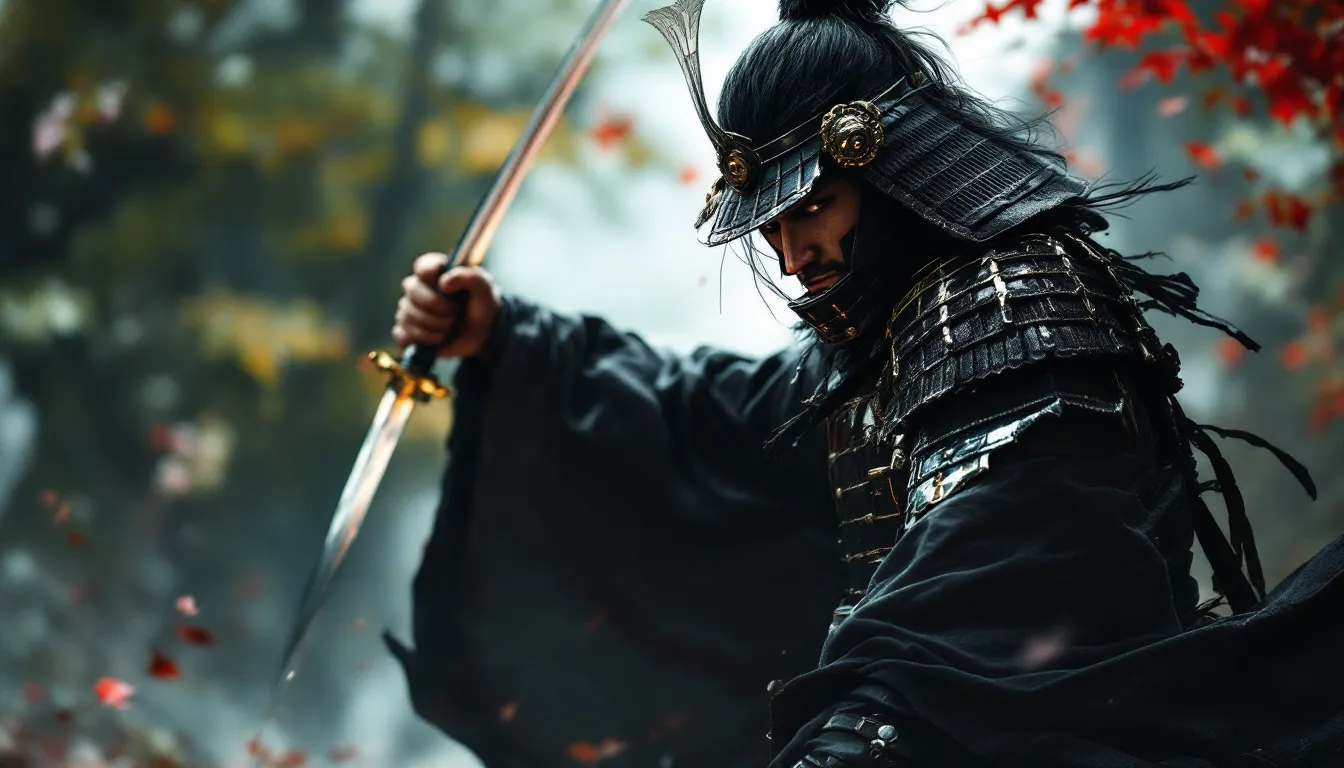
Ghost of Tsushima on PS4 stands as one of PlayStation’s defining titles since its 2020 release, and it’s still turning heads in 2026. Sucker Punch Productions crafted a game that doesn’t just tell the story of a samurai’s transformation, it makes you feel every sword clash and moral compromise. Whether you’re picking it up for the first time or hunting those last platinum trophy trophies, this guide breaks down everything you need to know about Ghost of Tsushima PS4, from the combat mechanics that make duels so satisfying to the open-world secrets scattered across Tsushima Island. We’ll also address the elephant in the room: the Xbox question. Spoiler alert, Ghost of Tsushima is a PlayStation exclusive and remains that way. If you’re on PS4 and curious about price points across the current generation, we’ve got the breakdown. Let’s immerse.
Table of Contents
ToggleKey Takeaways
- Ghost of Tsushima PS4 delivers masterclass action game design with a compelling narrative exploring moral compromise as Jin Sakai transforms from honorable samurai to the legendary Ghost.
- Combat mastery hinges on stance-switching between Stone, Water, Wind, and Moon stances to counter different enemy types—a deliberate system that rewards observation over button-mashing.
- Ghost of Tsushima is a PlayStation exclusive with no Xbox version planned; the Director’s Cut offers the definitive experience with Iki Island expansion and runs at dynamic 4K 60fps on PS5.
- Exploration of Tsushima’s open world yields 11 shrines, 17 bamboo strikes, 36 haiku locations, and mythic tale side quests that provide permanent stat boosts and deep character development beyond the 25-30 hour campaign.
- Legends mode delivers engaging co-op multiplayer with four distinct character archetypes and fair progression systems free of pay-to-win mechanics, offering an evergreen experience separate from the single-player story.
- PS4 base performance hits 1080p at 30fps while remaining visually stunning; optimization tips like clearing cache and maintaining 100-200GB free storage maximize smooth gameplay on original hardware.
What Makes Ghost of Tsushima a PlayStation Classic
Story and Setting Overview
Ghost of Tsushima drops you into 1274 Japan during the Mongol invasion of Tsushima Island. You play as Jin Sakai, a samurai warrior caught between his clan’s code of honor and the brutal reality of survival. The narrative isn’t your standard “good vs. evil” tale, it’s a study in moral compromise. Jin starts as a traditionalist samurai, bound by the way of the sword and bushido principles. But as the Mongol occupation tightens its grip, he becomes the Ghost, adopting stealth tactics and unconventional warfare that horrify his own people.
The island itself is a character. Tsushima’s bamboo forests, snow-capped peaks, and coastal cliffs create a backdrop that constantly reinforces the beauty-versus-brutality theme running through the game. Every cutscene, every standoff, and every side encounter feels rooted in this aesthetic. Director John Wick’s influence on the game’s pacing and visual storytelling is unmistakable, Ghost of Tsushima: Uncover explores the samurai’s transformation with cinematic precision that justifies its five-year legacy.
Gameplay Mechanics and Combat System
The combat system in Ghost of Tsushima PS4 is deliberately methodical. This isn’t Sekiro, you won’t be parrying frame-perfectly or dealing with weird input delay. Instead, it’s about stance mastery and positioning. You’ve got four stances: Stone (effective against swordsmen), Water (handles shielded enemies), Wind (counters spear users), and Moon (best for groups). Switching between them mid-combat is the key to dominating encounters.
The game rewards patience and observation. Hold block, wait for the red indicator, and you’ll parry. Time it right, and you can counter into a devastating combo. Dodging is fluid, the animation commits you to the movement, so you can’t spam it like in some action games. This deliberate pacing makes every encounter feel weighty. When you finally land that perfect stance-switched counter into a lethal technique, it hits. The satisfaction isn’t just mechanical, it’s narrative. Jin’s progression from honorable samurai to cunning warrior mirrors your mastery of stealth, assassination, and unorthodox tactics.
Getting Started: PS4 Requirements and Installation
System Requirements and Performance
Ghost of Tsushima PS4 runs on standard PS4 hardware, no DualSense features, no next-gen optimization needed. The base PS4 and PS4 Pro both support the game, though the performance difference is noticeable. On base PS4, you’re looking at 1080p resolution at 30fps with occasional frame drops in crowded village sections. PS4 Pro bumps it to dynamic 4K (depending on the scene) with more stable 30fps performance. Neither version hits 60fps, which is a deliberate creative choice, the developers wanted that cinematic, film-like feel.
For installation, the game requires about 110GB of storage. Make sure your PS4 has enough SSD space before purchasing. The file size hasn’t changed much since launch, and there’s no separate PS5 version, if you’re upgrading consoles, your PS4 copy doesn’t automatically grant access on PS5 (though you can play it via backwards compatibility). The game is fully playable offline after installation, so no constant internet requirement.
About platform availability: Ghost of Tsushima is a PlayStation exclusive. There’s no Ghost of Tsushima on Xbox, Xbox One, or any other non-PlayStation console. Sucker Punch has made no announcements suggesting this will change, and the exclusivity deal is a significant part of Sony’s PlayStation brand strategy. If you’re looking for similar samurai experiences on other platforms, you’ll need to explore alternatives.
Game Modes and Editions Available
Ghost of Tsushima PS4 comes in several flavors depending on your spending threshold. The standard edition includes the full campaign and access to Legends mode (multiplayer). If you grabbed it during sales, you may have paid anywhere from $20 to $60 depending on the discount, Ghost of Tsushima sale pricing has been consistent, with major retailers dropping it to $40-50 during holidays.
The Director’s Cut (released in 2021) added the Iki Island expansion, new armor sets, and the ability to play the main campaign on the new map. This version is the definitive way to experience Ghost of Tsushima PS4 in 2026. Pricing for the Director’s Cut typically sits around $50-60 at launch, though current Ghost of Tsushima PS4 price discounts have brought it down significantly on the PlayStation Store and third-party retailers.
Legends mode is a separate beast entirely, it’s a four-player co-op experience that wasn’t in the base game. It focuses on mythic-inspired scenarios and procedurally generated missions. You don’t need to finish the main story to jump in, though the mechanics build on what you’ve learned during the campaign. Legends is free to existing owners and serves as an evergreen multiplayer component. There’s no battle pass, no pay-to-win mechanics, and the cosmetics are purely optional. This collaborative focus separates Ghost of Tsushima from other live-service games that prioritize extraction of player money over player enjoyment.
Story Campaign Walkthrough and Tips
The main campaign spans roughly 25-30 hours on your first playthrough if you focus on story missions and avoid side content. On higher difficulties (Lethal), that stretches to 35-40 hours as you learn enemy patterns and refine your approach. The structure follows three acts, each escalating the stakes as Mongol forces consolidate their grip on Tsushima.
Act One introduces the core mechanics and establishes Jin’s internal conflict. You’ll meet key allies like the archer Yuna and the grizzled Shimura, your uncle and the island’s governor. The Mongol commander Khotun Khan serves as your primary antagonist, he’s not a generic invader but a tragic figure himself, which complicates the narrative’s moral framework. Early missions focus on sabotaging supply lines and gathering intelligence.
Act Two escalates when Shimura discovers Jin’s Ghost tactics. The clan disowns him. Your allies fracture. This is where the story becomes genuinely gripping because the game forces you to question whether you’re even playing as a “good” character anymore. You’re committing atrocities to save the island. Civilians fear the Ghost. The samurai code explicitly condemns your methods.
Act Three brings everything to a head with major story missions and the confrontation with Khan. Without spoiling specifics, the ending forces a choice that carries genuine weight. Ghost of Tsushima: Uncover provides more granular detail on each act’s narrative beats if you want to dive deeper after finishing.
Pro tips for the campaign:
- Don’t rush. Tsushima’s open world is designed for exploration. Side quests often recontextualize the main story or provide character development for NPCs you encounter later.
- Unlock the Ghost Stance as soon as possible (Act Two), it’s a game-changer for crowded encounters.
- Difficulty settings matter. Lethal mode removes HUD elements and makes enemies more aggressive, but it’s not arbitrarily harder, it’s just less forgiving of mistakes.
- Save charm slots for what you’re actively working on. You’ll find charms that boost different playstyles (stealth, dueling, etc.), equipping the wrong loadout makes some encounters unnecessarily frustrating.
Mastering Combat: Techniques, Duels, and Sword Skills
Essential Combat Strategies
Combat in Ghost of Tsushima PS4 separates the players who button-mash from those who understand the system’s flow. The core mechanic is stance switching. Each encounter typically presents a mix of enemy types, and your effectiveness depends on adapting:
Stone Stance handles katana-wielding samurai. It’s your default “I know what I’m doing” stance. Block incoming sword attacks, parry on red indicators, and chain into combos. Most vanilla samurai melt to Stone Stance play.
Water Stance is your shield-breaker. Enemies with shields and bows fall to Water’s flowing counters. It’s less about raw damage and more about control, you’re deflecting attacks rather than absorbing them.
Wind Stance handles spear users and mounted enemies. Spear attacks are fast and cover distance: Wind’s quick parries and sweeping attacks counter that reach advantage.
Moon Stance is for groups. It hits multiple targets with each swing, building your chain meter faster. Use it when you’re surrounded or facing four-plus enemies.
The key isn’t mastering each stance, it’s recognizing which enemies are present and switching accordingly. A duel against a single swordsman? Stay in Stone. Suddenly a shielded brute joins? Switch to Water mid-combo if you can. This fluidity is what separates button-mashing from actual mastery.
Parrying and dodging both trigger off the red indicator. Parrying blocks and flows into your next attack. Dodging gets you out of range entirely. Use parries against sword attacks: use dodges against arrows or delayed attacks where blocking isn’t an option. The timing window is generous compared to Bloodborne-style games, so newer players can get the hang of it with 30 minutes of practice.
Unlocking Lethal Techniques and Special Moves
Lethal Strikes are your main “press R1 to execute” move. After landing enough hits on an enemy, a prompt appears. Tap R1, and Jin performs a cinematic execution that usually kills or heavily damages the target. These are satisfying and strategically valuable because they break enemy focus on nearby allies.
Stance Abilities unlock as you progress. These are powered-up moves tied to each stance, Stone gets a spinning slash, Water gets a multi-hit parry counter, Wind gets a sweeping spin attack, and Moon gets a grab-into-throw. These abilities drain your Resolve meter (built by parrying, dodging, and absorbing hits), so they’re limited-use tools you activate tactically.
Ghost Abilities are separate and unlock during Act Two. These include Ghost Stance (transform into an ethereal warrior briefly, killing nearby enemies), Ghost Strike (instant kill on a single target), and Ghost Weapons (explosives, fire arrows, etc.). These feel overpowered because they are, they’re meant to make you feel like the Ghost, the legend, not just Jin the samurai.
Ultimate abilities tied to charm loadouts amplify your playstyle further. A duelist charm setup makes parry windows larger. A Ghost-focused setup accelerates ability charging. The ghost of tsushima story missions guide linked here covers which charms pair best with specific playstyles and story missions.
For lethal techniques, focus on these priorities:
- Unlock Ghost Stance immediately when available, it trivializes most encounters.
- Upgrade Resolve generation through charms and techniques.
- Stack abilities that synergize (e.g., charms that reduce ability cooldowns).
- Practice parrying in lower-difficulty encounters so executions flow naturally.
Exploration and Collectibles: Finding Everything in Tsushima
Hidden Shrines, Bamboo Strikes, and Haiku Locations
Tsushima’s open world is packed with optional collectibles. These aren’t just checkboxes, many unlock cosmetics, stat boosts, or story context. The Ghost of Tsushima Open World page provides more interactive maps, but here’s the breakdown:
Shrines (11 total across the island) grant permanent stat boosts. Praying at one adds a small bonus to health, resolve, or other attributes. Finding all shrines gives noticeable progression advantages, especially on harder difficulties. They’re often hidden in mountainous areas, requiring climbing or solving simple environmental puzzles.
Bamboo Strikes (17 total) are mini-games where you slash through bamboo rapidly. Complete the sequence without mistakes, and you earn stat bonuses. They teach you rhythm and timing in a low-stakes setting, so early attempts help familiarize yourself with the parry/strike cadence.
Haiku Locations (36 total) task you with composing short poems at scenic vistas. These are purely cosmetic rewards (new cosmetic outfits), but they’re some of the most memorable moments in the game. The game doesn’t judge your composition, any three lines count. It’s a meditative break from combat and adds depth to Jin’s character outside of action sequences.
Hot Springs (7 total) let you bathe while Jin reflects on his journey. Again, cosmetic rewards, but narratively important. Each spring has associated dialogue that contextualizes what’s happened recently.
Standoff Challenges and Mythic Tales
Standoffs are duels initiated against lone samurai or groups. Unlike story duels, these are optional encounters where you face 1-4 enemies in a circle. The visual design mimics samurai films, you all stand still, then rush toward each other. Win the standoff, and you’re treated to a cinematic duel victory. These reward technique upgrades and cosmetics.
Mythic Tales are the story-driven side quests. Unlike random encounters, these involve named NPCs with narrative arcs. The tale of Yasuke, for instance, tells the story of a Black samurai in feudal Japan, a historically complex figure. These quests often provide the best writing outside the main story and unlock legendary armor and weapons. The Ghost of Tsushima Ghost Armor page details how to unlock specific armor sets tied to mythic tales.
The rewards for completing all collectibles include:
- Unique armor dyes and outfit cosmetics
- Permanent stat boosts making Lethal difficulty more manageable
- Deeper character interactions and side storylines
- Achievement/trophy progression (completionists, this is crucial)
One critical tip: Don’t hunt collectibles obsessively during your first playthrough. The open world becomes more interesting on subsequent runs when you’ve finished the story and understand the lore context. On New Game+, you’ll recognize the significance of certain locations and NPCs.
Multiplayer Mode and Co-Op Legends
Legends Mode Overview and Progression
Legends mode is Ghost of Tsushima’s multiplayer component, and it’s surprisingly robust for a feature that wasn’t in the original release. It’s a co-op wave-defense experience where four players defend shrines against Mongol forces. There’s no PvP, it’s purely cooperative, which is refreshing in an era of competitive-focused multiplayer.
The progression system is separate from the campaign. You unlock cosmetics, new abilities, and armor specific to Legends through playing. Unlike the story, which locks you into Jin Sakai, Legends lets you play as four character archetypes: The Samurai (balanced swordsman), The Assassin (stealth-focused), The Archer (ranged specialist), and The Ronin (support-heavy). Each has distinct playstyles and loadouts.
Missions vary between Survival (waves of enemies, defend until time runs out), Story (narrative-driven co-op challenges), and Raid (endgame content with specific objectives). Matchmaking works reasonably well, you’re rarely stuck with completely incompetent teammates, though coordination makes a massive difference. Voice chat is available but not forced: many players succeed through positioning and awareness alone.
Progression feels fair. You’re not gated behind seasonal battlepass content or cosmetics that affect gameplay. Everything is cosmetic or purely mechanical grind. After 10-15 missions, you’ll understand the meta and start optimizing builds.
Best Builds and Character Loadouts
The Samurai is the easiest archetype to start with. Stack melee damage, cooldown reduction, and health boosts. Your goal is to hold chokepoints and cleave through groups. Best setup: Spirit animal (pick the Kitsune for damage boost), melee-focused perks, and the Heavy Strike ability.
The Assassin punishes positioning mistakes. Enemies that split off or flank are your targets. Stack crit damage and stealth duration. The Assassin’s Shadow Clone ability lets you split focus, use it to crowd-control while you execute isolated targets. Best perks: instant-kill on parry, increased crit damage, stealth duration.
The Archer provides sustained ranged pressure. Pair high ammo capacity with damage-per-shot upgrades. Use the Explosive Arrow to handle groups: single-shot for priority targets. The Archer’s Hwacha ability (mortar strike) trivializes certain waves. Stack ability cooldown reduction so you’re launching mortars constantly.
The Ronin is a support class but plays aggressively. The healing drum ability keeps teammates alive while you dish damage. Stack healing output and tanking perks. Coordinate with your team on positioning, the Ronin thrives when teammates trust you to keep them healthy while they deal damage.
General advice for any build: Understand your Spirit Animal’s synergy. Some offer damage boosts (Kitsune), others healing (Inari), others cooldown reduction (Tanuki). Pair your Spirit Animal with perks that amplify its effect. If you’re using Kitsune for damage, add damage-boosting perks. If you’re using Inari for healing, stack healing output.
Communication matters in higher-tier content. The endgame Raid requires specific setups and call-outs. But for casual Legends play, just bring the build that fits your playstyle and have fun. The balance is solid enough that no single loadout is “broken,” and flexibility is rewarded.
Graphics and Performance: PS4 vs. PS5
Ghost of Tsushima PS4 looks stunning for a console-generation-old game. The art direction, those sweeping vistas, the color grading, the particle effects during wind gusts, carries the visual weight that technical specs alone don’t capture. Running at 1080p (base PS4) or dynamic 4K (PS4 Pro) at 30fps, the game prioritized consistency and cinematic feel over raw pixel count.
On PS5, Ghost of Tsushima runs backwards compatible with the same PS4 version. But, if you own the Director’s Cut (the 2021 expansion), it can take advantage of PS5’s hardware. The PS5 version runs at dynamic 4K, native 60fps, with faster load times (under 5 seconds instead of 15-20). The frame rate boost makes a noticeable difference in combat fluidity, parrying at 60fps feels noticeably more responsive than 30fps.
Compare Ghost of Tsushima PS4 vs. PS5 directly: the PS4 version is still beautiful, but the PS5’s 60fps upgrade makes it feel less cinematic and more “gamey.” Purists argue the 30fps film-like presentation matches the samurai-movie aesthetic better. Performance-focused players prefer the PS5 version’s responsiveness. Both are valid preferences.
If you’re on base PS4, don’t worry about feeling like you’re missing out. The game was built for your hardware. Load times are fine, frame pacing is consistent, and the visual experience is complete. The gap between PS4 and PS5 versions is noticeable but not game-changing, you’re not buying a different game.
Optimization Tips for Smooth Gameplay
Even on PS4 hardware from 2013, Ghost of Tsushima runs smoothly with a few precautions:
Clear your PS4’s cache. If you’re experiencing frame drops, power down completely, unplug for 30 seconds, and boot fresh. This clears temporary data that might be causing bottlenecks. It sounds like IT nonsense, but it genuinely helps.
Uninstall bloatware. If your PS4 is packed with installed games, storage fragmentation matters. Uninstall games you’re not actively playing. Aim for at least 100-200GB of free space. This gives your system breathing room for shader caching and temporary file storage.
Close background apps. Don’t run Spotify, Discord overlay, or streaming apps in the background while playing. These drain system resources. This is especially true on base PS4, which has 8GB of RAM shared between OS and games.
Update your copy. Ghost of Tsushima received performance patches over the years. Make sure you’re running the latest version (as of 2026, it should auto-update). The patch history addressed frame pacing issues and texture streaming improvements.
Disable motion controls in settings. If you’re not using motion, disable it. This is a minor optimization but removes unnecessary gyro processing.
Play online when possible. Legends mode servers handle some computational load server-side, reducing local strain. Single-player story is more demanding because everything runs locally.
These tips won’t magically unlock 60fps on base PS4, that’s hardware-limited, but they’ll maximize the stable 30fps experience. IGN and Push Square have extensive performance benchmarks if you want deeper technical dives. The consensus is that Ghost of Tsushima PS4 is exceptionally well-optimized for its hardware.
Conclusion
Ghost of Tsushima on PS4 remains a masterclass in action game design and narrative craftsmanship in 2026. From the meditative beauty of Tsushima’s landscapes to the brutal efficiency of combat, Sucker Punch created something timeless. The story’s moral ambiguity, asking whether the ends justify the means, whether honor matters when survival is at stake, resonates years later.
Whether you’re a PlayStation loyalist or a newcomer discovering the game for the first time, the Ghost of Tsushima PS4 price has become incredibly reasonable on the secondhand market and during sales. The Director’s Cut is the definitive version if you want the complete experience with Iki Island, but the base game is equally compelling.
For those asking about platform availability: Ghost of Tsushima remains PlayStation exclusive. There’s no Ghost of Tsushima on Xbox, and no announcements suggest that will change. If you’re committed to PlayStation, you’re in for one of the generation’s finest action experiences. If you’re on another platform, unfortunately this one stays locked behind Sony’s walls.
The journey from honorable samurai to the Ghost, the legendary outlaw, is worth taking. Whether you finish in 30 hours or spend 100+ completing every haiku and collectible, How Long Does It Take to Beat Ghost of Tsushima breaks down exactly what to expect. Pick up a copy, embrace the moral complexity, and prepare for one of gaming’s most haunting stories. The Ghost awaits.