The Ghost Mask isn’t just cosmetic fluff in Ghost of Tsushima, it’s the physical embodiment of Jin Sakai’s transformation from honorable samurai to feared legend. When you first slap this mask on and step into a Mongol camp, something shifts. Enemies don’t just recognize you as a threat: they recognize the legend. Fear spreads before your blade does. Whether you’re chasing that perfect stealth run or going in guns-blazing to watch enemies panic, understanding how to unlock, equip, and leverage the Ghost Mask separates casual players from those who truly dominate Tsushima. This guide breaks down everything you need to know about Ghost of Tsushima masks, including the iconic Ghost Mask itself, how to get it, and how to use it to its maximum potential.
Table of Contents
ToggleKey Takeaways
- The Ghost of Tsushima mask unlocks automatically during Act II after completing “The Ghost of Yarikawa” mission, serving as both a narrative symbol of Jin’s transformation and a gameplay mechanic.
- The Ghost mask triggers enemy morale penalties and psychological hesitation, causing Mongol soldiers to cluster together in fear rather than spread tactically, making it ideal for crowd-control abilities like Ghost Stance.
- The mask’s effectiveness varies by playstyle: it amplifies aggressive combat and fear-based tactics, offers no mechanical stealth advantage, and has no impact on boss fights or duels.
- Pairing the Ghost mask with crowd-control abilities like Heavenly Strike and Ghost Stance maximizes its potential by exploiting how enemies naturally bunch up when panicked by the legend.
- While the Ghost mask design remains singular and iconic, you can customize its appearance through color dyes to match your armor preference without losing its core functionality.
- The Ghost mask works differently than pure stat upgrades—its true power lies in changing how enemies perceive and respond to you psychologically, making it as much a narrative anchor as a tactical tool.
What Is The Ghost Mask In Ghost Of Tsushima
The Ghost Mask is the signature face covering that becomes available as you progress through Jin’s story. It’s more than just a cosmetic choice, it’s a gameplay mechanic that fundamentally changes how enemies perceive and react to you. When equipped, the mask transforms your appearance into the legendary “Ghost” that Mongol soldiers fear and whisper about.
The Legendary Appearance Of The Ghost Mask
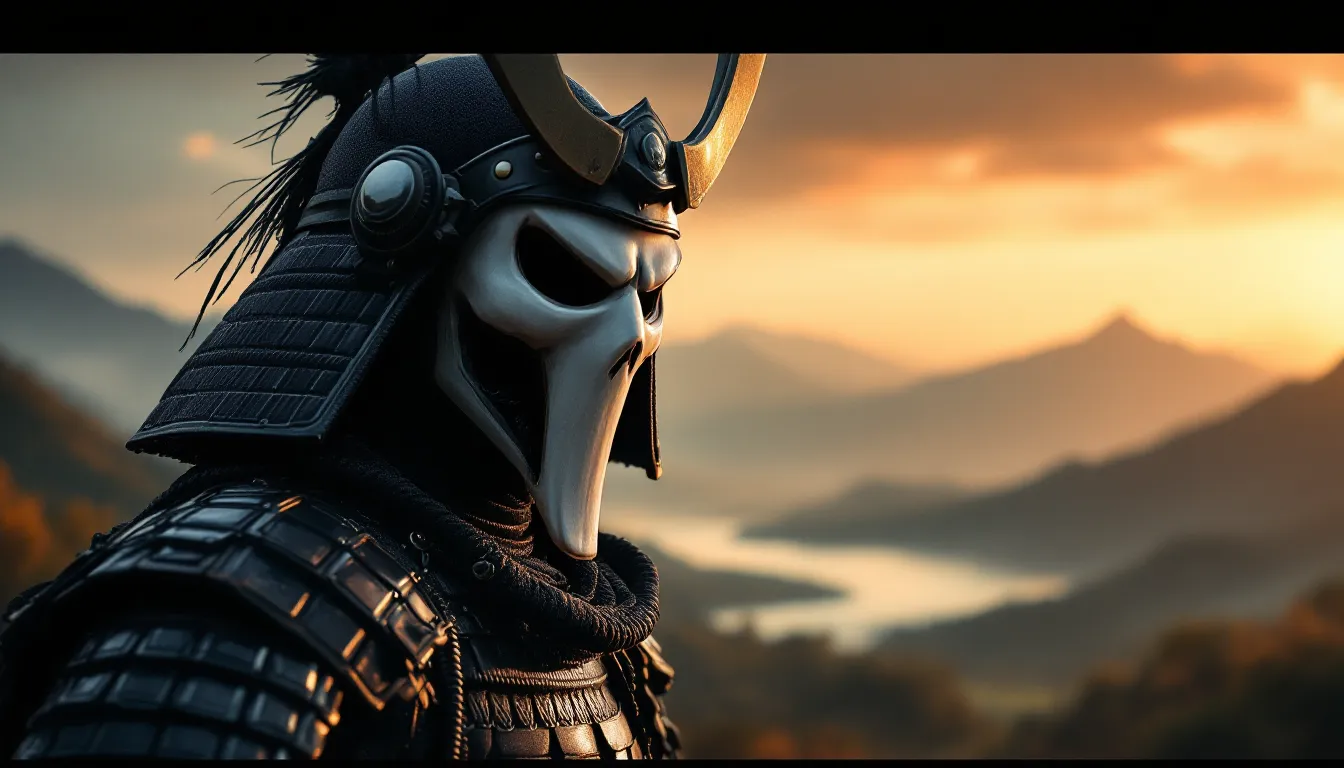
The Ghost Mask features a striking white and black design with a menacing expression carved into its surface. It sits somewhere between traditional samurai theater (Noh masks) and a warrior’s psychological weapon. The design is intentionally imposing: pale white face with dark, hollow eyes and a downturned mouth that radiates intimidation. Unlike some cosmetic masks in the game, the Ghost Mask has mechanical weight to it, enemies genuinely react differently when they see it on your face.
The mask becomes visible in cutscenes once you’ve unlocked it, cementing Jin’s evolution from honorable samurai to the Ghost that Mongol legend now fears. The visual transition from the beginning of your journey to this point is one of Ghost of Tsushima’s best storytelling moments, and the mask represents that complete tonal shift.
How The Mask Impacts Gameplay And Combat
When you’re wearing the Ghost Mask, Mongol soldiers experience an immediate morale penalty. Enemies will shout warnings like “It’s the Ghost.” and “The legend is here.” This isn’t just flavor text, it affects their behavior patterns. The mask triggers heightened alert states faster than normal combat encounters would, but it also causes enemies to hesitate momentarily when they first spot you.
In stealth scenarios, enemies are more likely to panic and bunch up rather than spread out methodically when they’re alerted. This actually creates opportunities for crowd control techniques like Ghost Stance or Heavenly Strike to devastate groups. The psychological advantage the mask provides compounds with its cosmetic appeal, you’re not just playing as the Ghost, you feel like the Ghost.
How To Unlock The Ghost Mask
You don’t need to hunt down rare drop rates or complete 50 side quests to get the Ghost Mask. Sucker Punch built it directly into the main story, which means every player will unlock it as they progress through Jin’s journey.
Story Progress Requirements
The Ghost Mask unlocks automatically during Act II of Ghost of Tsushima’s main campaign. Specifically, you’ll gain access to it after completing the mission “The Ghost of Yarikawa,” which is one of the major story beats in the second act. This isn’t optional, you’ll hit it as part of the narrative.
Once Act II progresses to this point, the mask appears in your inventory under the “Masks” section, and you can equip it from any checkpoint or safe area. There’s no material grinding, no collectible hunting, and no skill tree unlock. The game simply makes it available once the story deems Jin ready to fully embrace the Ghost identity.
If you’re replaying the game on a higher difficulty or new game plus, the mask will still be locked until you reach that same story checkpoint. You can’t rush it, but you won’t have to wait long into Act II before the option opens up.
Mask Customization And Upgrades
While the Ghost Mask itself doesn’t have traditional “upgrades” in the RPG sense, Sucker Punch does let you tinker with its appearance through dye options. You can change the color scheme of the mask to match your armor or personal preference. The core functionality stays the same, but visual customization lets you personalize how your Ghost looks as you terrorize Mongol settlements.
Other masks in the game, which we’ll cover in detail later, do have cosmetic variations tied to different armor sets and customization trees. The Ghost Mask remains singular in its design, but that’s intentional. It’s meant to be the iconic look, the one everyone recognizes. Unlocking Ghost of Tsushima Ghost will complete the full Ghost aesthetic if you’re going for full thematic consistency.
Best Strategies For Using The Ghost Mask
The Ghost Mask is a tool, not a crutch. Smart players use it to amplify their existing playstyle, whether that’s stealth, aggressive combat, or a hybrid approach.
Stealth And Infiltration Tactics
Wearing the Ghost Mask in stealth scenarios creates a psychological payoff that pure invisibility doesn’t. When guards spot you and realize they’re facing the Ghost, the alarm response escalates faster, but enemies also become predictable in their panic. They tend to cluster together and call for reinforcements rather than spreading out tactically.
Use this behavior to your advantage. Let enemies see the mask, trigger their fear response, and then use their clustered positioning against them. Ghost Stance becomes devastating when enemies bunch up in panic. You can clear a camp faster by letting them know you’re there (via the mask) than you might by staying hidden.
For stealth purists who want to remain undetected, the mask offers no mechanical advantage, it doesn’t make you harder to spot or quieter. It’s purely psychological. So if you’re going for pure stealth clears where nobody even knows you were there, the mask doesn’t matter gameplay-wise. But if you’re okay with being seen and want to leverage the fear factor, it’s incredibly effective.
Combat Advantages And Fear Factor
In direct combat, the Ghost Mask serves as a morale weapon. When you’re facing a group and wearing the mask, enemy soldiers will hesitate slightly and communicate more verbally (“The Ghost is here.” etc.). This creates brief openings for parries and counter-strikes.
The primary advantage isn’t that the mask makes you tankier or faster, it doesn’t. The advantage is that enemies become less coordinated. They’re reacting to the legend you represent, not executing perfect tactical positioning. A disciplined Mongol patrol becomes a panicked mob when the Ghost shows up.
In boss fights and duels, the mask has no mechanical impact. The choreographed encounters with major story figures aren’t affected by your equipment. But in open-field combat against groups? The mask tilts the psychological scales firmly in your favor.
Pairing The Mask With Combat Techniques
The Ghost Mask synergizes best with crowd-control abilities. Ghost Stance is the obvious pairing, equip the mask, let enemies spot you, watch them cluster up in fear, then activate Ghost Stance and watch them delete each other trying to close distance.
Heavenly Strike similarly benefits from enemy clustering. The mask’s fear factor naturally bunches enemies together, and Heavenly Strike’s radius becomes much more valuable when enemies are packed closely.
For pure melee combat, pair the mask with Standoff challenges. The fear factor doesn’t directly improve your standoff performance, but the psychological pressure on enemy morale translates into them making mistakes in stand-offs, giving you slight reaction-time advantages. Working with Tsushima Customizable Armor: Unleash loadouts that emphasize resolve gain lets you chain multiple Ghost Stance activations together, turning the mask’s fear factor into an actual kill-chain multiplier.
Other Iconic Masks And Cosmetics In Ghost Of Tsushima
The Ghost Mask gets the spotlight, but it’s far from the only option available. Ghost of Tsushima offers a surprising variety of masks and cosmetic options that cater to different playstyles and aesthetic preferences.
Alternative Mask Options And Their Effects
Beyond the Ghost Mask, you’ve got several other masks to unlock:
- The Oni Mask: Inspired by demon mythology, this mask has a more aggressive aesthetic. Functionally similar to the Ghost Mask in terms of enemy fear responses, but with a different visual theme.
- Mongol Masks: Unlockable masks that give you a disguise factor, letting you infiltrate camps more effectively without triggering alarms immediately.
- Samurai Heritage Masks: These lean into traditional Japanese theatrical design and honor the game’s aesthetic roots without the psychological warfare angle.
- Cosmetic Masks: Various masks tied to specific armor sets or unlocked through completion challenges. These are purely visual and offer no gameplay advantage.
Each mask type serves a different fantasy. The Ghost and Oni masks are your psychological warfare tools. Mongol masks are your infiltration tools. Heritage masks let you stay true to samurai honor while looking incredible. There’s no “best” mask universally, it depends on your playstyle and what experience you’re going for.
The progression of What Is the Best often pairs with mask choices. Wearing the Ghost Armor with the Ghost Mask creates a complete psychological loadout that enemies find genuinely terrifying.
How Masks Compare In Multiplayer Mode
In Legends multiplayer mode, masks function similarly to single-player but with some key differences. The fear mechanic still works against AI enemies, so masks remain valuable for crowd control in co-op missions and survival modes.
But, cosmetic variety matters more in multiplayer because you’re showing off to other players. The Ghost Mask is iconic, sure, but you’ll see plenty of players experimenting with the full roster of masks to find something that feels uniquely theirs. Some masks look sharper in multiplayer’s lighting and visual presentation than they do in single-player.
Frequently Asked Questions About Ghost Masks
Can You Change The Appearance Of The Ghost Mask
Yes, but only through color dyes. The core design of the Ghost Mask stays the same, you can’t swap it for a completely different design. What you can do is change its color scheme using dyes available throughout the game. White-and-black is the default, but you can recolor it to complement your armor choice.
Other masks in Ghost of Tsushima have more dramatic visual variation based on which cosmetic variant you unlock. The Ghost Mask’s design is deliberately singular and iconic, so Sucker Punch kept the visual core consistent. Think of it like how Batman’s mask is always recognizable, the Ghost Mask works the same way in the game’s lore and design.
Does The Mask Affect Enemy AI Behavior
Absolutely. Enemy AI responds differently based on whether you’re wearing the Ghost Mask. When equipped:
- Alert Level Escalates Faster: Enemies move from suspicious to confirmed threat more quickly.
- Morale Penalties: Mongol soldiers become less coordinated and more likely to bunch together.
- Communication: Guards will vocalize the threat (“The Ghost.”) rather than silently coordinating.
- Psychological Hesitation: There’s a brief moment of hesitation when enemies first spot you in the mask, they’re registering the legend, not just another fighter.
This isn’t RNG or variable. The mask creates consistent behavioral changes that skilled players can exploit. In single-player, you’re absolutely affecting enemy decision-making by equipping it. In multiplayer, the same principle applies against AI enemies.
For more tactical breakdowns on how to leverage enemy behavior shifts, Ghost of Tsushima Fan for community discussions on optimal playstyles.
Mastering The Ghost Mask For Ultimate Gameplay
Mastery of the Ghost Mask comes down to understanding when to use it and what you’re trying to accomplish. It’s not a one-size-fits-all solution, it’s a tactical choice.
For Aggressive Combat: Wear the Ghost Mask. Let enemies see you. Watch them cluster up. Execute crowd-control abilities. The mask turns enemy fear into your advantage.
For Stealth: The mask doesn’t help your stealth mechanically, but if you’re caught, the subsequent combat becomes easier due to morale penalties. Your choice depends on whether you think you’ll be spotted.
For Story Moments: Wear the Ghost Mask because it’s the intended look for Jin’s transformation. The narrative is stronger when you’re visually embodying the Ghost legend you’re becoming throughout Act II and beyond.
For Personal Preference: If you like how another mask looks, use it. Gameplay differences are real but not so dramatic that you’re handicapping yourself with a cosmetic choice. Play what makes you feel cool.
The Ghost Mask’s true power is that it works as both a mechanical tool and a narrative anchor. You’re not just equipping better stats, you’re stepping fully into the role of the Ghost. That’s why it matters more than other masks, why it deserves its iconic status, and why it’s the first mask most players keep equipped once unlocked.
For deeper dives into how masks fit into the broader loadout strategy, Ghost of Tsushima Leather: covers how cosmetics interact with armor choices. And if you want to explore Ghost-specific strategies beyond just masks, Ghost of Tsushima Kunai: breaks down weapon and tool synergies.
One more thing: recent coverage from outlets like GameSpot and Twinfinite have highlighted how Ghost of Tsushima’s cosmetic system influences player psychology just as much as game mechanics do. The mask isn’t just changing how enemies see you, it’s changing how you see yourself as a player, which is deliberately intentional design.
Conclusion
The Ghost Mask represents Ghost of Tsushima at its best: a design choice that’s beautiful to look at, mechanically meaningful in combat, and thematically perfect for Jin’s journey. It’s not a requirement for winning fights, plenty of players tear through Mongol armies without ever equipping it. But it’s the reward for reaching Act II, the symbol of Jin’s transformation, and a legitimate tactical tool that changes how enemies respond to your presence.
Unlock it when the story offers it. Experiment with it in different encounters. Pair it with crowd-control abilities and watch enemy morale crumble. Or keep it in your inventory for specific moments where the psychological warfare angle serves your strategy. The Ghost Mask isn’t just another cosmetic, it’s the physical manifestation of becoming the legend that all of Tsushima will remember. And that’s worth more than any stat boost.
Whether you’re hunting for stealth perfection, chasing aggressive highlight moments, or just want to look like the legendary Ghost that Mongol soldiers fear, the mask delivers on all fronts. The question isn’t whether you should use it. The question is how long you want to wait before Act II unlocks it for you.