DMZ has carved out its own identity within the Call of Duty universe, and if you haven’t jumped in yet, you’re missing one of the franchise’s most rewarding experiences. Unlike traditional multiplayer or campaign modes, DMZ in Call of Duty demands a different mentality: tactical awareness, resource management, and the constant tension of permadeath. Every decision matters. Every firefight could cost you your loadout. This guide breaks down what DMZ is, how it works, and most importantly, how to get good at it. Whether you’re a casual player dipping your toes in or a competitive grinder hunting for that perfect raid completion, you’ll find actionable strategies that actually work in 2026.
Table of Contents
ToggleKey Takeaways
- DMZ Call of Duty is an extraction-based hybrid mode combining PvE and PvP elements where losing a match costs you all backpack loot, demanding tactical awareness and resource management over pure aggression.
- Master the map, learn high-tier loot spawn locations, and plan extraction routes 5–10 minutes in advance to avoid camping squads and gas circle mechanics.
- Squad coordination through constant communication and designated roles (scout, defensive, cleanup) consistently beats individual skill, making team chemistry the foundation of competitive success.
- Weapon choice should match your playstyle and intended range—use the XM4 for mid-range precision, SMGs for close-quarters indoor combat, and sniper rifles like the LW3A1 for one-shot elimination from distance.
- Avoid high-pressure mistakes like chasing kills, over-extending without information, hoarding loot, or abandoning downed teammates—tactical retreat and team resource-sharing are essential survival tactics.
- The DMZ meta in 2026 favors aggressive, objective-focused squad play over passive loot farming, with weapon balance updates ensuring multiple viable loadout options across seasons.
What Is DMZ in Call of Duty?
Game Mode Overview
DMZ stands for the Demilitarized Zone, a hybrid game mode that blends extraction shooting mechanics with PvE and PvP elements. Players drop into a map, scavenge for loot, complete objectives, and extract to keep their rewards. Sound familiar? It borrows heavily from games like Escape from Tarkov, but wrapped in Call of Duty’s faster-paced, more accessible gameplay.
You spawn with a loadout you’ve prepared beforehand, but the real treasures are found in the world. High-tier weapons, cash, documents, and rare items litter the map. The goal isn’t just to survive, it’s to escape with valuable loot intact. Get killed before extraction, and you lose everything in your backpack. Get to the exfil zone successfully, and your rewards get added to your DMZ account progression.
Matches typically run 20–35 minutes depending on your playstyle and objectives. You can tackle missions (PvE contracts against AI), hunt other squads (PvP hotspots), or go full loot-and-scoot mode. The beauty is the freedom to define your own risk-reward threshold each match.
How DMZ Differs from Other Call of Duty Modes
Standard multiplayer is about gunplay and map control with immediate respawns. Campaign is a cinematic singleplayer experience. Zombies is pure wave-based survival. DMZ? It’s the mode where one mistake erases your entire session’s progress.
This shifts the mentality completely. In multiplayer, you can sprint headfirst into a chokepoint: your next respawn is five seconds away. In DMZ, that same aggression gets you killed, and your weapon is gone. You’ll be looting gray-tier weapons while your squad rebuilds. The tension is real, and it forces players to think tactically.
DMZ also removes the “farm XP” grind of traditional multiplayer. You’re not chasing arbitrary level numbers: you’re hunting specific items, completing narrative-driven missions, and unlocking cosmetics through actual gameplay. Progression feels earned because the stakes are tangible. Call of Duty’s broader ecosystem connects DMZ progress to your multiplayer account, but DMZ remains its own beast.
Getting Started: Essential Beginner Tips
Choosing Your Loadout and Equipment
Before you even spawn, loadout matters. You get to equip one primary weapon, one secondary, and utility items (grenades, lethal equipment, tactical gear). Choose wrong, and you’re starting the match at a disadvantage.
For new players, pick a weapon you’re comfortable with from multiplayer. If you dominate with the XM4 in standard modes, bring it here. Your muscle memory translates. Pair it with a reliable secondary, the M9 pistol or a shotgun work well depending on your intended playstyle. Add a throwing knife for silent eliminations and a stun grenade or concussion grenade for utility.
Don’t overthink it. Most of your best weapons will come from looting, not your starting loadout. Your initial gear is a safety net, not your crutch. Save exotic builds for when you understand the map flow better.
One pro tip: bring a UAV jammer or signal interrupter if you anticipate aggressive early-game PvP. These counter enemy recon and can swing engagements in your favor.
Understanding the Map and Extraction Points
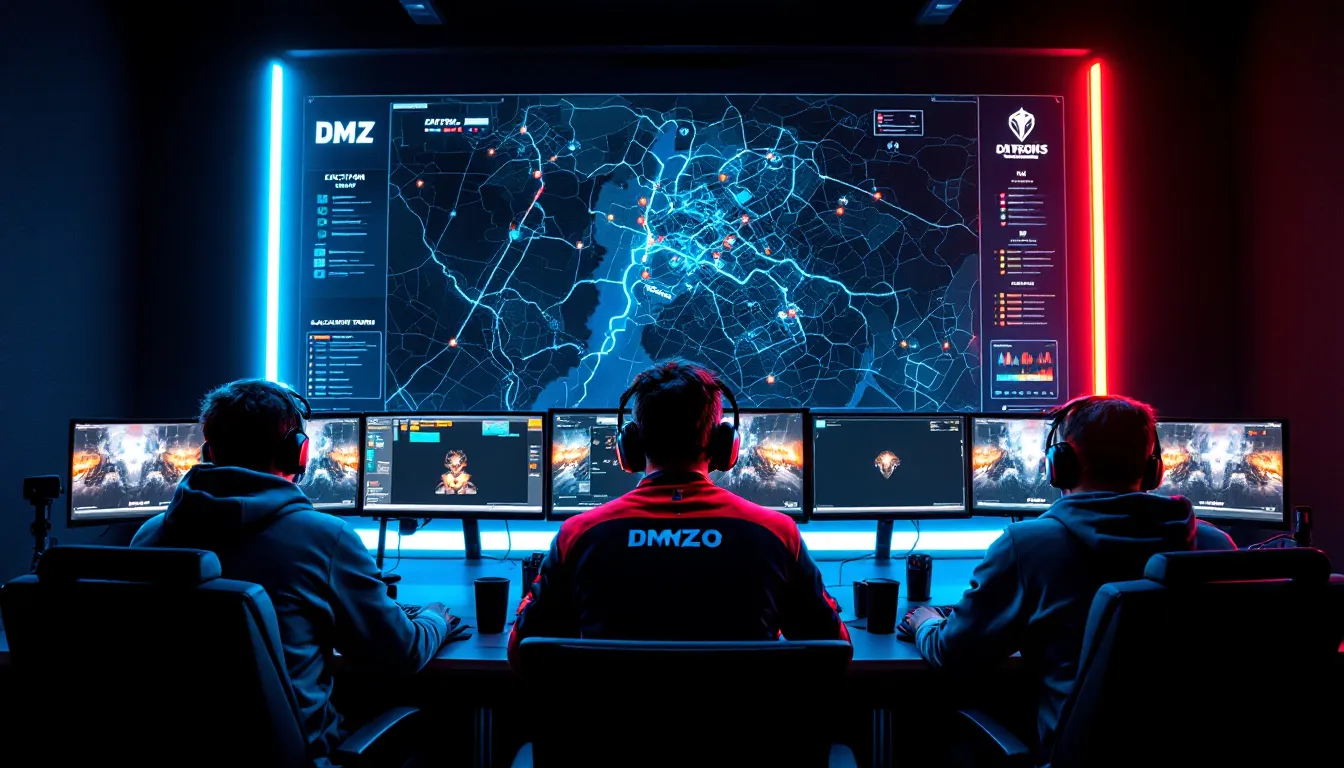
The DMZ map, currently spanning multiple zones, is massive. Learning callouts and rotations takes time, but it’s non-negotiable. You need to know where extraction points are, how to reach them safely, and what AI-controlled enemies (“Operators”) spawn in each region.
Start by dropping into quieter areas on your first few runs. The edges of the map, industrial zones, abandoned buildings, typically have fewer players. Spend time looting, familiarizing yourself with building layouts, and identifying landmarks. Once you know the geography, targeting hot zones becomes calculated rather than panicked.
Extraction points are marked on your HUD. Some are static: others rotate based on game events. Never run to exfil with 30 seconds left on the clock. You’ll get caught in a crossfire or intercepted by camping squads. Plan your route 5–10 minutes before extraction. If the nearest exfil zone is under heavy fire, rotate to a secondary option even if it means dropping some lower-tier loot.
Also, watch for the gas/circle mechanic (if enabled in your region). It works similarly to battle royale modes, the playable area shrinks, forcing players into tighter engagements. Always check your map for the safe zone timer and plan accordingly.
Advanced DMZ Strategies for Competitive Play
Squad Coordination and Communication
DMZ is a squad game first. A well-coordinated trio beats three solo players every time, even if the solo players are individually better shots.
Designate roles. One player scouts (calls out enemy positions and threats), one holds a defensive position or manages loot, and one plays cleanup (finishes downed enemies, provides covering fire). Rotate these roles based on match state, early game might emphasize scouting, late game emphasizes loot management and extraction cover.
Voice comms are mandatory for competitive play. Use clear, concise callouts: “Two players rotating from the east building, holding third floor.” Not “uh, guys, I think they’re over there.” Pro player setups emphasize low-latency voice comms because fractions of a second matter in gunfights.
Set squad rules before dropping. Decide: Do we rush AI objectives or avoid them? If we encounter another squad, do we engage or avoid? What’s our exfil time? Communicating these expectations early prevents mid-match disagreements that lead to rushed, poor decisions.
Loot Routes and Resource Management
Efficient loot routes separate experienced DMZ players from novices. You can’t hit every building. You need to know the highest-value spawn locations and prioritize them.
High-tier weapons spawn in specific buildings, weapon caches, armories, safes. Learn where they are. Spend 10 minutes in a custom match (if available) or watch esports-focused guides that outline optimal loot paths. Hit three buildings, grab the best items, and start moving toward secondary objectives or extraction.
Manage your backpack space. Every slot counts. Don’t hoard gray-tier weapons. If you find a legendary rifle, drop your common pistol. Prioritize:
- High-rarity weapons (rare, legendary tiers)
- Cash and valuables (these unlock cosmetics and progression)
- Mission items (documents, keys, intel needed for contracts)
- Ammunition (only if running low: most loot drops ammo)
If your backpack is full and you find something better, drop what’s least valuable and swap. This sounds obvious, but under pressure, players panic and abandon good loot out of paranoia.
One more thing: don’t stay in one location too long. If you’ve looted a building and found nothing exceptional after 5 minutes, move on. You’ll either encounter enemy squads or the circle will force you anyway. Constant movement beats camping.
Combat Tactics and Enemy Engagement
In multiplayer, you can trade health and hope teammates revive you. In DMZ, every shot matters because a down means a death, and a death means everything’s gone.
Engage at range when possible. If you have an M13B and spot enemies 60 meters away, take the fight at distance. Your weapon has better accuracy: theirs doesn’t. Back up, use cover, and maintain engagement spacing. Don’t rush into a room where enemies hold the high ground.
Use contracts (PvE missions) strategically. Completing contracts draws other players, which increases PvP tension but also provides cash rewards and progression. If you’re confident in your gunplay, contract areas are hunting grounds. If you’re farming loot, avoid them until late game when most squads have extracted.
Headshots are crucial. A headshot with a precision rifle or sniper eliminates the threat immediately. Advanced weapon guides outline headshot multipliers for each gun class. Learn them. Bodyshots leave enemies a chance to retreat or heal: headshots don’t.
Always assume enemies heard your gunshots. After a firefight, reposition. Don’t sit in the location where you just killed someone, another squad heard and is rotating toward your position. Move 30–40 meters away, find new cover, and watch for third-party rotations.
Mastering Weapons and Perks in DMZ
Top-Tier Weapons for Every Playstyle
Weapon meta in DMZ shifts with patches, but certain guns remain consistently strong. As of early 2026, here’s the breakdown:
Assault Rifles: The XM4 dominates mid-range engagements with reliable accuracy and decent TTK (time-to-kill). The GPMG-7 offers higher magazine capacity for sustained fire but sacrifices accuracy. For aggressive close-mid play, the GPMG-7 wins. For precision engagements, the XM4 prevails.
SMGs: The Jackal PDW and Kompakt 92 excel in tight quarters. Use them for rushing buildings or close-range extraction zone defenses. Their high rate of fire and hipfire accuracy make them killers indoors, but they fall apart beyond 25 meters.
Sniper Rifles: The LW3A1 Frostline one-shots to the head at any range. High risk, high reward. Requires patient positioning and clear sightlines. Pair with an SMG for close-quarters backup.
Tactical Rifles: The SWAT 5.56 and M16 bridge sniper and rifle roles. They require precision but reward skilled players with incredible damage output. Less forgiving than snipers: more versatile.
Pick a weapon based on your intended playstyle, not raw DPS numbers. Loadout-focused resources outline attachment combinations and tuning that unlock each gun’s potential. Once you land on a weapon, stick with it for multiple matches. Consistency matters more than chasing meta shifts.
Essential Perks and Killstreaks
Perks grant passive bonuses, faster movement, increased damage resistance, superior sensory info. Equip three per loadout.
Perk Tier 1: Double Time extends your sprint duration, crucial for rotations and escapes. Scavenger auto-replenishes ammo from dead enemies, stretching your supply. For aggressive players, Cold Blooded makes you invisible to UAVs and thermal scopes, a lifesaver in contested areas.
Perk Tier 2: Overkill increases your primary weapon magazine size. Restock refreshes your lethal grenades every 30 seconds. For long-term survivability, Overkill edges out slightly, more bullets mean more kills before reloading.
Perk Tier 3: Tracker reveals footsteps and blood trails of nearby enemies. In a game where information wins firefights, this perk is invaluable. Enemies can’t hide if you know exactly where they’re bleeding. Ghost would seem obvious, but it doesn’t hide you from Tracker, make that calculation.
Killstreaks (called “Killstreaks” in DMZ) provide scorestreaks that reward aggressive play:
- UAV: Reveals enemy positions for 30 seconds. 4 kills.
- Counter-UAV: Disables enemy radar. 5 kills.
- Cruise Missile: Remote-controlled explosive. 7 kills.
- Chopper Gunner: Aerial support that shreds ground units. 10 kills.
For DMZ, UAV is essential, the intel swings engagements. Cruise Missile works as a zoning tool when enemies camp an exfil. Build your entire strategy around getting these streak rewards early.
Common Mistakes and How to Avoid Them
Poor Decision-Making Under Pressure
When a squad opens fire, panic sets in. Rational thinking evaporates. This is where inexperienced DMZ players implode.
Mistake #1: Holding Ground When You Should Retreat
You’re pinned in an open field with no cover. Your instinct screams “fight back.” Bad idea. A tactical retreat, running to harder-to-approach terrain, regrouping with teammates, is often the correct call. One player can’t win a 1v3: two players moving together have a chance.
Mistake #2: Chasing Kills
You down an enemy. Your adrenaline spikes. You sprint toward them for the finish. Their teammate picks you off mid-sprint. You’re dead, downed teammate bleeds out, squad wipes. The lesson: confirm the kill from safe distance, then advance methodically. Don’t turn tactical gameplay into deathmatch brawling.
Mistake #3: Over-Extending Without Information
You hear gunshots in the distance. You assume it’s unrelated to your position. You push forward. Suddenly, three squads converge on your location. You walked into a firefight blind. Always maintain position awareness. Check your compass for gunshot origin. Request teammate callouts before advancing.
Mistake #4: Ignoring Extraction Timers
You’re deep in loot, 15 minutes into the match. Extraction is in 5 minutes, and you’re a 4-minute run away. You decide to hit one more building. The circle closes. You’re racing against time and AI enemies. You barely make extraction with 10 seconds left, and a camping squad eliminates you before you can extract. Plan extraction timing like a pro. If it’s past 10 minutes and you’re not actively moving toward exfil, you’re gambling unnecessarily.
Neglecting Team Dynamics
DMZ punishes selfish play harder than any game mode in Call of Duty.
Mistake #1: Solo Looting
Your squad hits a building. One player breaks off, loots a separate room, loses situational awareness. Enemy squad flanks. That isolated player gets downed immediately. The squad, now in a 2v3, collapses. Loot as a unit. One teammate watches the door while another searches drawers. This costs seconds but prevents catastrophic picks.
Mistake #2: Hoarding Loot
You’re full on ammo and equipment. Your teammate needs armor plating or a weapon upgrade. You refuse to drop items because “I might need it.” This mentality destroys squads. Share resources. If your teammate’s loaded with better gear, transfer it. Collective power beats individual optimization.
Mistake #3: Radio Silence
Your squad is scattered across a building. No one’s communicating. One teammate gets shot. The other two don’t know where fire came from, so they can’t provide suppressive cover or save the downed player. Constant, minimal communication (“Contact east, second floor”) prevents confusion and enables coordinated responses.
Mistake #4: Abandoning Downed Teammates
Your buddy is downed in the open. Reviving them is risky, you’ll be exposed. So you leave them. They bleed out. Now you’re down a player for the rest of the match. Sometimes, leaving a teammate is the tactical call (you’re outnumbered, exfil is urgent). Usually, it’s cowardice that loses matches. Risk the revive. Nine times out of ten, that extra firepower swings the situation.
The Competitive Future of DMZ: Updates and Meta Changes
DMZ continues evolving. In early 2026, the meta has shifted toward aggressive squad play and objective-focused missions over pure loot farming. Infinity Ward and Sledgehammer Games have balanced weapons aggressively, removing one-tap potential from overpowered snipers and buffing underutilized SMGs.
The M13B received a minor recoil decrease, making it the AR of choice for mid-range engagements. The LW3A1 Frostline sniper lost one-shot-kill potential to the body (it was too dominant), but headshots remain one-shot. This pushes skilled snipers to adapt while reducing casual frustration with instant deaths from non-headshots.
New missions rotate monthly, introducing fresh objectives and loot pools. Some seasons emphasize extraction PvP (multiple exfil zones force congestion), others emphasize PvE (increased AI presence, harder contracts). Staying adaptable is crucial. What worked in Season 1 might be obsolete in Season 2.
Competitive tournaments have legitimized DMZ. Teams compete for cash prizes, and their strategies influence the broader meta. Watching esports coverage from major sources reveals cutting-edge tactics before they trickle down to ladder play. Pro squads favor coordinated aggression over passive farming, they understand that fights generate cash and loot faster than looting empty buildings.
Expect continued balance passes on weapons, perks, and map design. The developers prioritize making every weapon viable rather than forcing meta picks. This breadth is what keeps DMZ fresh compared to other shooters where two or three guns dominate forever.
One meta constant: communication and squad coordination beat individual skill. The best solo player loses to a mediocre trio that talks and plays as one unit. Build your squad. Develop chemistry. Grind matches together. That’s the DMZ advantage.
Conclusion
DMZ demands a different mindset than traditional Call of Duty modes. It’s not about kill-death ratios or quick reflexes alone, it’s about decision-making, resource management, squad cohesion, and the mental toughness to accept losses without tilting.
Start with the fundamentals: learn the map, pick reliable weapons, master basic engagement ranges. As you accumulate matches, layer in advanced concepts: loot route optimization, contract prioritization, enemy prediction. The learning curve is genuine, but the payoff is a gaming experience that feels earned and consequential.
Your first few matches will feel overwhelming. You’ll get out-looted, out-gunned, and out-positioned. That’s normal. Every experienced DMZ player has been there. The difference is they learned from mistakes instead of blaming RNG. Keep playing, study what kills you, adjust your approach, and progressively improve.
DMZ in 2026 is thriving because it offers something modern shooters often lack: genuine stakes and community-driven gameplay. It’s not a farm-and-forget mode. It’s not a five-minute multiplayer sprint. It’s a full experience that respects player time and skill. Jump in, embrace the risk, and hunt for extractions. The loot awaits.